Zero Trust. AI-Verified.

Make Zero Trust Practical

You know Zero Trust is the future, but implementing a ZTA often feels like a massive, complex project that never ends. The obstacle is the complexity and the fear of making a misguided investment. CIT cuts through that complexity. We deploy and manage an intelligent, AI-driven ZTA that secures human and AI agents in real-time, giving you and your team a clear, long-term security roadmap.

Your Foundation for Autonomous Security and Predictive Defense

We orchestrate leading AI-native security platforms to create an intelligent defense fabric that protects both human and AI agents in real-time

Identity Threat Protection (ITP)

Protecting the Human and the Agent. CIT manages identity lifecycles for both users and generative AI tools, ensuring trust is verified before access is granted.
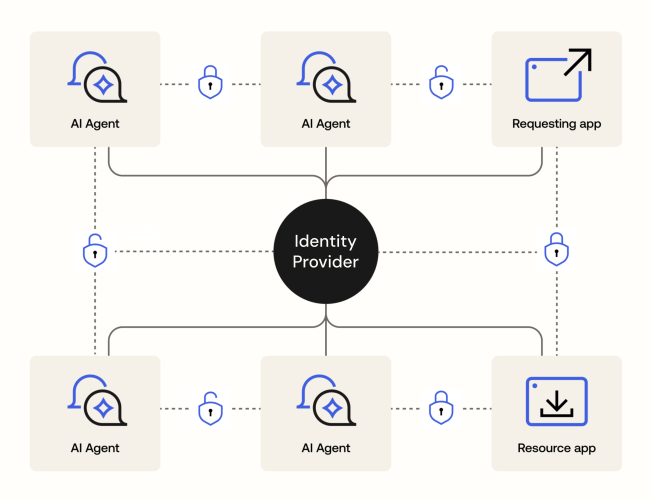
Intelligent Network Access (ZTA)

Only Trusted Devices Get In. ZTA uses trusted intelligence to automatically discover and profile every device, enforcing policy before it connects to any asset.
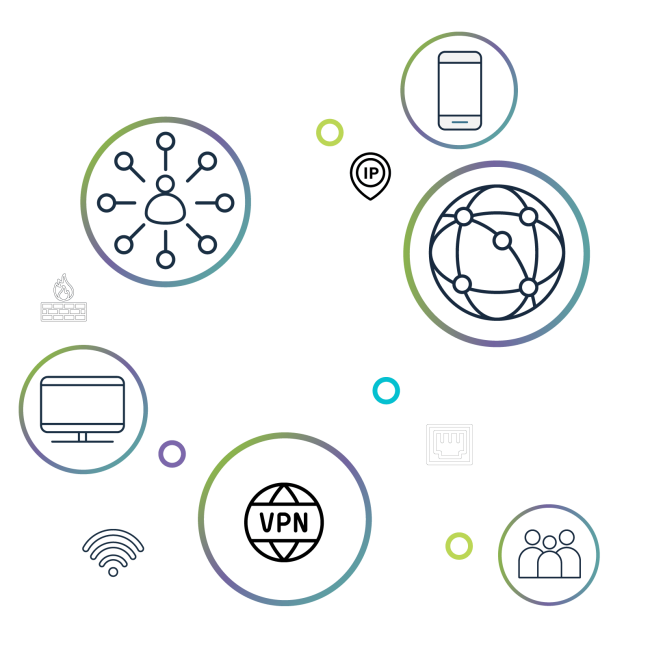
AI-Driven Application Control

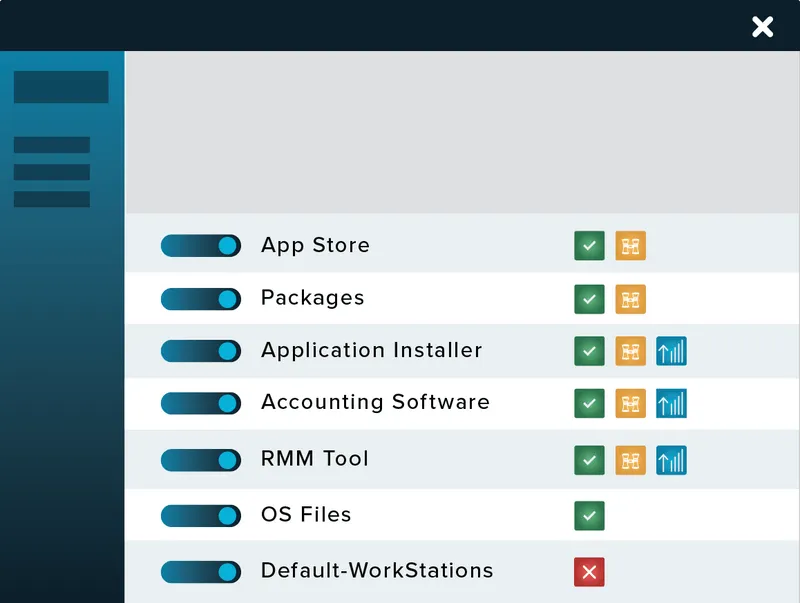
Stopping Threats Before Execution. Threatlocker’s AI is used for Allowlisting and Ringfencing, ensuring only approved software executes. This is a surgical strike against zero-day exploits and ransomware.
Autonomous Threat Defense

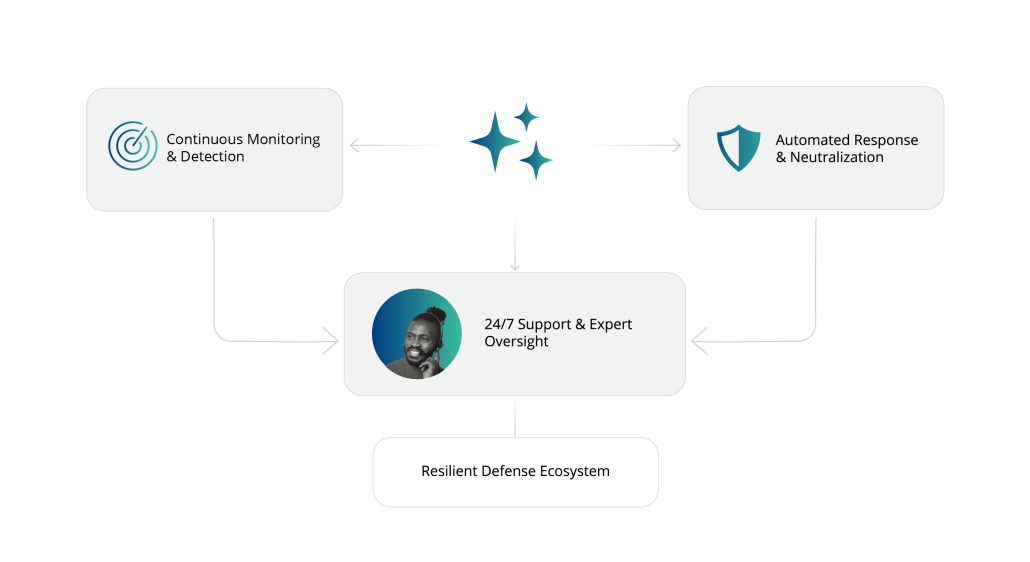
Predictive Security: Stopping Threats Before They Happen. Our AI-First security stack predicts and neutralizes threats 24/7, freeing up your IT teams for strategic work
0 %

of threats are stopped before execution through AI-integrated allowlisting and ringfencing

0 %

faster incident response time due to autonomous threat isolation and AI-powered SOC

Our AI-First ZTA is Only as Strong as Our Partners

We orchestrate the industry’s leading AI-native technology to deliver predictive and autonomous security environments.


Frequently Asked Questions: Get Clarity on AI-Powered Zero Trust

Need more detail? Browse our answers on the path to autonomous, secure identity and access.

What is the core difference between AI-Powered Zero Trust and a traditional firewall?

The fundamental shift is from location-based trust to AI-verified identity. A firewall guards a perimeter; our ZTA uses AI to continuously verify the context and security posture of every user, device, or AI agent, regardless of location.

How does AI-Powered Zero Trust benefit my compliance/audit process?

We integrate with partners, whose ZTA ensures continuous, context-aware policy enforcement. This automation drastically reduces the human time and stress associated with manual audit preparation.

How does Zero Trust secure my AI agents and hybrid workforce?

For the hybrid workforce, ZT makes location irrelevant. Our ZTNA connects users only to the specific applications they require, while AI-powered application control via Threatlocker prevents lateral movement if a remote device is compromised.

How can an AI-Powered ZTA be a more cost-effective choice than traditional security?

The highest cost in security is a successful breach. By implementing predictive security (e.g., SentinelOne’s autonomous XDR) and AI-driven application control (Threatlocker), we stop zero-day attacks before they can escalate, dramatically decreasing the cost and reputational damage of a security incident.

What is the process for migrating my current infrastructure to a Zero Trust Architecture?

Our approach begins with a strategic IT consultation to create a clear, long-term roadmap. We prioritize identity partners and access (Genians) first, gradually implementing micro-segmentation and application control (Threatlocker) without disrupting your core business operations.

Tune Into Zero Trust

Dive into the world of Zero Trust with Todd & Nate. Together, they break down the highest levels of cybersecurity readiness for the ever-changing digital world.

Today, as cyber threats continuously change, they explore Zero Trust’s core—identity, devices, networks, apps, & data. Their insights into constant checks & risk management help strengthen your defenses.

Leveraging their vast experience, Todd & Nate discuss real-world Zero Trust applications & solutions to overcome common obstacles, aiming to empower you with the knowledge to lead in cybersecurity.

They also look ahead at the exciting possibilities of quantum encryption & AI—offering a guide to navigate the future of cybersecurity.

Secure Horizons: Optimal Zero Trust

Ready to Build Your AI-First Zero Trust Roadmap?

Schedule a consultation with our security engineers to assess your current posture and define your customized Zero Trust solution.

Zero Trust: The Journey from Legacy to Modern Access (ZTNA)

In today’s digital landscape cyber threats are constantly evolving and becoming more sophisticated. Traditional security measures are no longer sufficient to protect your valuable data. It’s time to transition to a new approach to security: Zero Trust.

What is Zero Trust (ZTNA)?

Zero Trust, “Never trust, always verify,” is a security framework that aims to minimize security breaches by reducing the attack surface. Traditional security models rely on a perimeter-based approach. Zero Trust assumes that no user or device within or outside the network can be trusted by default. Instead, it requires continuous verification of identity and access, regardless of the user’s location or network connection.

Zero Trust

Benefits

Implementing a Zero Trust architecture offers numerous benefits for businesses of all sizes. Let’s explore some of the key advantages:

  1. Enhanced Security: Zero Trust significantly reduces the risk of security breaches by eliminating implicit trust and implementing continuous authentication and authorization.
  2. Improved Compliance: Zero Trust aligns with industry regulations and standards, such as SOC 2 compliance, ensuring that your organization meets the necessary security requirements.
  3. Work Anywhere Mobility: Zero Trust enables employees to work remotely or on the go without compromising security. With continuous verification, authorized users can securely access resources from any location.
  4. Reduced Risk Footprint: By limiting access to resources and only granting permissions based on verified identity, Zero Trust reduces the overall risk footprint and minimizes the potential for lateral movement within your network.
  5. Reduced Internal Support Burden: With Zero Trust, the burden of managing and supporting internal systems is significantly reduced. By implementing a robust authentication and authorization framework, IT teams can focus on strategic initiatives rather than troubleshooting access-related issues.

Challenges

Challenges of Transitioning to Zero Trust

While the benefits of Zero Trust are clear, transitioning from legacy systems to a Zero Trust architecture does come with its fair share of challenges. Here are some of the key hurdles you may encounter:

  1. Active Directory: Migrating from a traditional Active Directory setup to a Zero Trust model requires careful planning and execution. It involves reevaluating access controls, implementing multi-factor authentication, and adopting an identity-centric approach.
  2. Multiple Internal Systems on Domain: In organizations where multiple internal systems are interconnected, transitioning to Zero Trust may involve segmenting resources, implementing granular access controls, and ensuring continuous verification for every user and device.
  3. VPN Access for Key Systems: Zero Trust eliminates the need for VPNs (Virtual Private Networks) by adopting a more secure and flexible approach to granting access. However, decommissioning VPNs and transitioning to Zero Trust may require careful consideration and planning to ensure a smooth transition.
  4. Multiple Backup Locations – DR: Organizations that have multiple backup locations and disaster recovery setups may face challenges in reconfiguring these systems to align with the principles of Zero Trust. Ensuring secure and continuous access to backup resources is crucial during the migration process.
  5. On-site SIEM: Traditional security information and event management (SIEM) tools may need to be reevaluated or upgraded to integrate with the Zero Trust framework. Additionally, advanced threat detection solutions like Darktrace may be necessary to provide continuous monitoring and anomaly detection in a Zero Trust environment.

How to Begin

How to begin the transition to Zero Trust

The transition from a legacy system to Zero Trust requires careful planning and a strategic approach. Here are the essential steps to get started on your Zero Trust journey:

  1. Set a Goal: Start by defining your vision for the future. Where do you want to be in 3 to 5 years? Clearly articulating your objectives will help guide your transition and align your efforts.
  2. Organize: Take inventory of your existing systems and processes. Understanding your current infrastructure will help you identify potential security gaps and determine the scope of your Zero Trust implementation.
  3. Identify Projects: Plan specific projects that align with your Zero Trust objectives. These projects may include implementing multi-factor authentication, segmenting data and access, and adopting continuous verification mechanisms.
  4. Deploy/Automate/Outsource: To minimize the impact on your operations, consider deploying automation tools and technologies that facilitate the implementation of Zero Trust. You may also choose to outsource certain aspects of your security infrastructure to trusted partners who specialize in Zero Trust architectures.

Conclusion

Embracing Zero Trust is an essential step in safeguarding your organization’s valuable data from increasingly sophisticated cyber threats. By adopting a “Never trust, always verify” approach, organizations can minimize security breaches and reduce their risk footprint. While transitioning from legacy systems to Zero Trust can present challenges, careful planning and execution will ensure a seamless migration.

Contact us to start your Zero Trust journey today!

Learn more about Zero Trust: