Streamlining Operations for Multi-Site Manufacturers
Today, multi-site manufacturers face a unique set of challenges. From coordinating production across diverse locations to maintaining consistent quality standards, the complexities can be overwhelming. But what if there was a way to turn these challenges into opportunities for growth and innovation? In this post, we’ll explore how savvy manufacturers are leveraging technology to transform their multi-site operations, boost efficiency, and stay ahead in an increasingly competitive landscape.
The Challenges of Managing Distributed Manufacturing Operations
Varied Technology Stacks and Integration Issues
For manufacturers with multiple sites across different states or regions, overseeing IT operations can be an incredible challenge. Simple tasks that would be straightforward at a single location become arduous when dealing with distributed environments.
Remote Troubleshooting: A Time-Consuming Ordeal
Troubleshooting an issue at a remote plant may require video walkthroughs, with employees narrating their screens and describing problems. This inefficient back-and-forth makes even minor IT hurdles a time-consuming ordeal. When an onsite technician is needed, travel time and costs are added overheads.
Coordinating Technology Upgrades: A Daunting Task
Larger technology initiatives like server or PC upgrades are even more daunting across multiple sites. Ensuring consistent configurations and a smooth rollout requires coordination and expertise that many manufacturers simply don’t have in-house. An outdated server at one location could be creating inefficiencies and security risks.
The IT Expertise Gap: A Growing Concern
As technology evolves, manufacturers struggle to find the IT expertise needed to plan and execute complex projects. Initiatives like cloud migration, implementing new VoIP systems, or deploying robust cybersecurity demand skills that are hard to acquire and retain internally. This skills gap leaves manufacturers exposed to IT risks and unable to optimize their operations through technology.
Configuration Inconsistencies: A Persistent Problem
Maintaining uniform settings and standards across sites becomes increasingly difficult as the number of locations grows. These inconsistencies can lead to compatibility issues, security vulnerabilities, and inefficiencies in operations.
Data Synchronization: Ensuring Real-Time Accuracy
With multiple manufacturing sites, ensuring that all facilities have access to accurate, up-to-date data becomes crucial. Delays or errors in data synchronization can lead to production issues, inventory discrepancies, and poor decision-making.
Compliance Complexities: Navigating Multiple Jurisdictions
Meeting industry regulations becomes more complex when operating across different jurisdictions. Each location may have unique compliance requirements, making it challenging to maintain a unified approach to regulatory adherence.
The Need for Centralized IT Expertise
Enhanced Data Security and Compliance
A centralized IT strategy is crucial for manufacturers operating across multiple sites. Comprehensive managed IT services tailored for multi-location businesses can provide the necessary expertise and support to efficiently manage distributed operations.
Key Benefits of Centralized IT Management:
- Secure Support Across Regions
- Robust managed services platform
- Dedicated security operations center
- Ability to securely support environments spanning different regions or states
- Proactive Issue Management
- Centralized monitoring and management capabilities
- Early identification and addressing of potential issues
- Minimized downtime across all locations
- Consistent Security Posture
- Uniform security measures across all sites
- Reduced vulnerability to cyber threats
- Data-Driven Strategic Decisions
- Leveraging real-world usage data and performance metrics
- Informed recommendations on:
- Budgeting
- Infrastructure upgrades
- Technology roadmaps
- Alignment with Organizational Needs
- IT investments tailored to unique needs of multi-site manufacturing
- Support for specific growth trajectories
A robust managed services platform, backed by a dedicated security operations center, enables IT providers to securely support environments spanning different regions or states. With centralized monitoring and management capabilities, potential issues can be proactively identified and addressed before they escalate, minimizing downtime and ensuring consistent security posture across all locations.
Moreover, managed IT providers leverage data-driven insights to guide strategic IT decisions for their clients. By analyzing real-world usage data and performance metrics, they can make informed recommendations on budgeting, infrastructure upgrades, and technology roadmaps. This data-driven approach ensures that IT investments are aligned with the unique needs and growth trajectories of multi-site manufacturing organizations.
Optimizing Collaboration Tools Across Teams
Enhancing Cross-Site Manufacturing Collaboration with Customized Digital Tools
When manufacturing teams are distributed across multiple sites, having the right collaboration tools in place is crucial for seamless communication and efficient workflows.
Key Benefits of Microsoft Teams for Manufacturing:
- Connects employees regardless of physical location
- Fosters a sense of unity
- Enables real-time collaboration
Customizing Teams for Manufacturing Needs:
- Tailored Configuration
- Customized channels for specific projects or departments
- Integration with essential applications
- Setup of approval workflows for streamlined processes
- Robust Voice and Calling Capabilities
- Crystal-clear audio and video conferencing
- Advanced features:
- Call routing
- Voicemail transcription
- Presence indicators
- IT Service Provider Partnership
- Customization and optimization of the platform
- Implementation of communication solutions
- Leveraging full potential of collaboration tools
Outcomes of Optimized Collaboration:
- Streamlined cross-site workflows
- Fostered cohesive, connected workforce
- Seamless operation of distributed teams
By partnering with experienced IT service providers, manufacturers can leverage the full potential of collaboration tools like Microsoft Teams, streamlining cross-site workflows and fostering a cohesive, connected workforce. With optimized platforms and robust communication capabilities, distributed teams can operate as seamlessly as if they were working under the same roof.
Ensuring Consistent Security Across Locations
Comprehensive Cybersecurity: Protecting Multi-Site Manufacturing Operations
Maintaining robust security protocols becomes exponentially more challenging when manufacturing operations span multiple sites. With sensitive data, intellectual property, and critical systems distributed across various locations, potential vulnerabilities multiply.
Key Challenge: Inconsistent security policies or lax enforcement at any single site can expose the entire organization to significant risks.
The Power of Centralized Managed Security Services
A centralized managed security services provider (MSSP) offers a powerful solution to this dilemma.
Benefits of a Comprehensive Security Operations Center (SOC):
- Continuous monitoring of all locations
- Rapid threat identification and response
- Centralized vantage point for security management
Advanced Security Tools and Techniques
- Security Information and Event Management (SIEM) systems
- AI-driven analytics
- Automated threat detection
Industry-Specific Compliance Expertise
Many manufacturing sectors face stringent security and compliance regulations. An experienced MSSP offers:
- Deep expertise in relevant frameworks (e.g., NIST, CMMC, HIPAA)
- Consistent enforcement of mandated security controls
- Minimized risk of costly penalties or data breaches
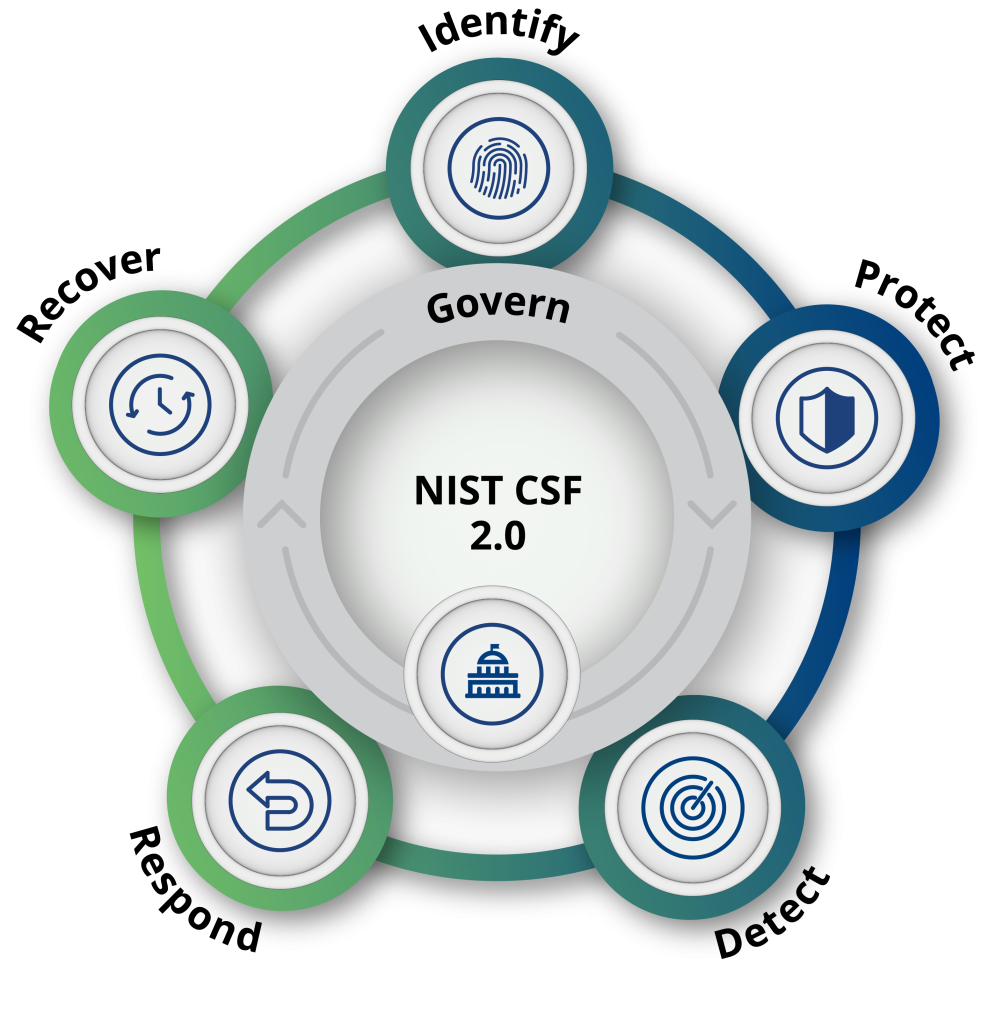
The MSSP Advantage for Multi-Site Manufacturers
By partnering with a trusted MSSP, multi-site manufacturers can:
✓ Ensure round-the-clock monitoring from cybersecurity experts
✓ Implement a centralized, comprehensive security approach
✓ Achieve cost-effective protection that scales with operations
Bottom Line: A centralized MSSP delivers peace of mind and robust protection for distributed manufacturing environments.
Managing IT Costs at Scale
From Break-Fix to Budget-Friendly: Scaling IT Costs Efficiently
As manufacturers expand operations across multiple sites, forecasting and controlling IT costs becomes an increasingly difficult challenge.
The Challenges of Multi-Site IT Management
- Patchwork of aging hardware
- Disparate software licenses
- Fragmented vendor relationships
- Difficulty in achieving cost predictability
The Pitfalls of Traditional Break-Fix IT
Warning: The traditional break-fix IT model leads to unpredictable costs and budget overruns.
Common Issues:
- Ad-hoc support calls and project work
- Ballooning costs with new site acquisitions
- Challenges in integrating new systems
- Lack of proper scoping for organization-wide IT needs
The Modern Managed Services Solution
Benefits of All-Inclusive Pricing Models:
- Per-user or per-device pricing
- Predictable scaling of IT expenses
- Improved budgeting confidence
- Avoidance of costly capital expenditure refreshes
Key Advantage: A single monthly fee provides budget stability and predictability.
Leveraging Vendor Partnerships for Cost Savings
Top managed service providers offer:
✓ Bulk purchasing arrangements
✓ Cost savings on licenses and software
✓ Streamlined IT procurement
✓ Simplified renewal cycles
Areas of Potential Savings:
- Operating system licenses
- Collaboration software
- Security tools
The Bottom Line for Manufacturers
By adopting a managed services approach, manufacturers can:
- Focus on core business operations
- Achieve predictable IT budgeting
- Scale IT costs efficiently with growth
- Benefit from bulk purchasing power
Streamlining New Site Onboarding
Scaling with Confidence: Centralized IT Solutions for Expanding Manufacturers
As manufacturers grow through acquisitions or expansions, efficient IT integration becomes crucial. Let’s explore how centralized IT services can streamline this process and support scalable growth.
The Challenge of New Site Integration
In-house IT teams often face:
- Complex provisioning requirements
- Multifaceted integration demands
- Pressure to maintain consistency across sites
Provisioning IT for new sites introduces complexities that require expert management.
Benefits of Centralized IT Services
| Benefit | Description |
|---|---|
| Established Processes | Efficient onboarding procedures |
| Secure Deployment | Consistent device setup across locations |
| Remote Management | Network configuration from a central hub |
| Centralized IAM | Unified identity and access management |
Transforming Site Integration: A Streamlined Approach
- Secure Device Deployment
- Standardized setup across all new locations
- Ensures immediate productivity and security compliance
- Remote Network Assessment & Configuration
- Expert evaluation of site-specific needs
- Efficient setup without on-site presence
- Seamless Account Provisioning
- Quick creation of employee accounts
- Appropriate permissions assigned from day one
- Consistent Security Implementation
- Uniform application of security protocols
- Ensures all sites meet corporate standards
Accelerating Growth Through IT Expertise
Partnering with a specialized IT provider enables manufacturers to:
- Rapidly integrate new acquisitions
- Minimize downtime during expansion
- Maintain consistent IT service levels
- Scale operations with confidence
Success Metric: Companies using centralized IT services for new site onboarding report up to 40% faster integration times compared to traditional methods.
Implementation Roadmap
- Assess Current Onboarding Processes
- Identify Areas for Improvement
- Select a Specialized IT Service Provider
- Develop a Standardized Onboarding Playbook
- Train Teams on New Processes
- Implement for Next Site Integration
- Review and Refine Continuously
By adopting centralized IT solutions, manufacturers can transform potential IT challenges into strategic advantages. This approach provides the agility and reliability needed to navigate the complexities of expansion, setting the stage for sustainable growth in an ever-evolving industry landscape.
Key Takeaway: Centralized IT services offer a scalable, efficient, and secure way to manage new site onboarding, enabling manufacturers to focus on core business objectives while ensuring seamless IT integration.
Staying Ahead of Technology Roadmaps
Future-Proofing Operations: Leveraging Expertise for Cohesive Technology Roadmaps
As a multi-site manufacturer, keeping up with the rapidly evolving technology landscape is a significant challenge. With teams distributed across different locations, ensuring consistent access to the latest tools and capabilities can be a complex undertaking.
Technology roadmapping becomes crucial to future-proof operations and maintain a competitive edge.
One of the primary difficulties in managing technology roadmaps for distributed organizations is the varying needs and priorities across sites. While one location may require upgrades to its manufacturing equipment, another might be focused on enhancing collaboration tools for improved team coordination. Aligning these diverse requirements and developing a cohesive technology strategy can be a daunting task.
Challenges in managing technology roadmaps:
- Varying needs and priorities across sites
- Rapid pace of technological change
- Keeping up with emerging trends (Industry 4.0, IoT, AI)
Moreover, the pace of technological change can be overwhelming, with new innovations and advancements emerging constantly. Manufacturers must stay informed about emerging trends, such as the adoption of Industry 4.0 technologies, the integration of Internet of Things (IoT) devices, or the implementation of advanced analytics and artificial intelligence (AI) solutions. Failure to keep up with these advancements can result in operational inefficiencies, decreased competitiveness, and missed opportunities for growth.
This is where the expertise of a comprehensive managed IT services provider becomes invaluable. By partnering with a team of technology experts, manufacturers can benefit from their deep industry knowledge and experience in guiding smart investments in new capabilities.
Benefits of Partnering with IT Experts for Technology Roadmapping:
- Deep industry knowledge
- Guidance on smart investments
- Regular assessments and consultations
- Seamless integration across sites
- Project and change management expertise
Through regular assessments and consultations, managed IT services providers can identify areas where technology investments can drive operational efficiencies, enhance productivity, and improve decision-making processes. They can evaluate the organization’s current infrastructure, identify potential bottlenecks or limitations, and recommend solutions that future-proof operations while minimizing disruptions.
Furthermore, managed IT services providers can assist in navigating the complexities of technology implementations, ensuring seamless integration across distributed sites. Their expertise in project management, change management, and training can facilitate a smooth transition to new technologies, minimizing downtime and maximizing user adoption.
By leveraging the knowledge and resources of a trusted managed IT services partner, multi-site manufacturers can stay ahead of the technology curve, make informed decisions about their technology investments, and position themselves for long-term success in an increasingly competitive and rapidly evolving industry.
Disaster Recovery and Business Continuity
Beyond Backup: Comprehensive Strategies for Uninterrupted Production
For multi-site manufacturers, unplanned downtime can have severe consequences. A disruption at one facility can create a domino effect, impacting the entire supply chain and operations. Robust disaster recovery and business continuity planning are crucial to mitigating these risks and ensuring resilience.
Key Components of Effective Disaster Recovery:
- Resilient Data Backup:
- Implement both on-premises and cloud-based solutions
- Protect critical data: design files, production specs, inventory management, customer records
- Enable quick data restoration to minimize downtime
- Business Continuity Planning:
- Develop strategies to maintain essential operations during disruptions
- Implement failover mechanisms to alternate production sites
- Set up redundant infrastructure
- Create detailed protocols for crisis communication and decision-making
- Centralized IT Management:
- Crucial for implementing and maintaining measures across multiple sites
- Ensures consistent and reliable protection against potential disruptions
By proactively planning for various scenarios, manufacturers can minimize the impact of incidents and facilitate a smoother transition back to normal operations.
Benefits of Expert IT Service Providers:
- Design tailored solutions for distributed production environments
- Address unique challenges of manufacturing operations
- Implement comprehensive disaster recovery strategies
- Ensure business continuity across all sites
Key Takeaway: Robust disaster recovery and business continuity planning, supported by centralized IT management and expert service providers, are essential for multi-site manufacturers to protect against disruptions and maintain uninterrupted production.
Gaining Visibility Across the Entire Environment
From Silos to Synergy: Unifying Multi-Site Manufacturing Intelligence
For multi-site manufacturers, achieving a unified view of operations across all locations is crucial yet challenging. Siloed IT management at each facility creates fragmented visibility, making it difficult to:
- Understand overall performance
- Pinpoint inefficiencies
- Identify areas for improvement
The Power of Centralized Managed Services
A centralized managed services provider offers comprehensive monitoring capabilities that span the entire distributed environment:
- Comprehensive Data Collection
- Deploy agents on every workstation and server
- Collect detailed telemetry data
- Aggregate information into a single pane of visibility
- Real-Time Insights
- Monitor system health across all sites
- Track resource utilization
- Identify potential vulnerabilities
- Advanced Analytics
- Scrutinize aggregated telemetry data
- Establish performance baselines
- Identify deviations indicating potential issues
Simply collecting data is not enough – it must be effectively analyzed to derive actionable insights.
Benefits of Centralized Monitoring and Analytics
- Data-driven decision making
- Optimized IT operations
- Justified upgrade recommendations
- Proactive problem-solving
The Result: True End-to-End Visibility
By combining centralized monitoring with powerful analytics, multi-site manufacturers can:
- Gain comprehensive insights into their distributed IT environment
- Make smarter decisions
- Improve operational efficiency
- Enhance security posture
- Leverage technology as a competitive differentiator
Key Takeaway: Centralized managed services with advanced monitoring and analytics capabilities empower multi-site manufacturers to break down information silos, gain true visibility across their entire IT environment, and make data-driven decisions that drive operational excellence.
Managing Microsoft Licensing and Costs
Scaling Smartly: Leveraging IT Partnerships for Cost-Effective Microsoft Licensing
Managing Microsoft licensing across multiple manufacturing sites can be a daunting task. Here’s why it’s crucial and how IT partnerships can help:
The Challenges
- Diverse User Roles: From corporate employees to shop floor workers
- Complex Product Mix: Office 365, Windows deployments, and more
- Compliance Concerns: Ensuring proper licensing across all sites
- Cost Efficiency: Avoiding overpayment while meeting all needs
The Power of Expert IT Partners
Manufacturers can benefit significantly from partners well-versed in Microsoft licensing intricacies. These experts can:
- Optimize user accounts and product mixes
- Scrutinize existing subscriptions
- Consolidate redundancies
- Guide clients toward cost-effective volume licensing programs
Aligning the right product licenses is crucial for cost-efficiency and compliance.
Advantages of Enterprise Agreements
As operations expand across regions, negotiating enterprise agreements with Microsoft becomes advantageous:
| Benefit | Description |
|---|---|
| Discounts | Secure better rates on cloud services, productivity suites, and operating systems |
| Streamlined Billing | Simplify payment processes across multiple sites |
| Consolidated Support | Access centralized support channels |
| Asset Visibility | Gain a comprehensive view of licensing assets |
Key Outcomes
- Simplified Administration: Easier management of licenses across all sites
- Economies of Scale: Unlock cost savings aligned with growth
- Optimized Workforce Access: Ensure each employee has the right tools
- Long-term Savings: Benefit from volume licensing and strategic planning
Pro Tip: Regular audits of your Microsoft licensing can reveal opportunities for optimization and cost savings. Consider scheduling quarterly reviews with your IT partner to stay ahead of licensing needs and changes.
By leveraging expert IT partnerships, manufacturers can navigate the complexities of Microsoft licensing, ensuring compliance while maximizing cost-efficiency across their multi-site operations.
Cloud Adoption to Centralize IT Operations
Scaling Securely: Leveraging Cloud Solutions for Multi-Site Manufacturing IT
Cloud technology offers a powerful solution for centralizing IT operations across multiple manufacturing sites. Let’s explore the benefits, challenges, and strategies for effective cloud adoption.
Key Advantages of Cloud Adoption
- Centralized Management: Overcome challenges of managing disparate on-premises environments
- Standardization: Deliver consistent services across all locations
- Enhanced Security: Leverage robust built-in security capabilities
Cloud represents a powerful way to centralize IT operations and provide consistent services across all locations.
Cloud Benefits for Manufacturing
| Benefit | Description |
|---|---|
| Standardized Delivery | Applications, data storage, networking, and security |
| Elimination of Inconsistencies | No more disparities between localized IT setups |
| Strong Security | Ensure access controls, encryption, and monitoring across operations |
Overcoming Cloud Adoption Hurdles
- Compliance and Data Residency
- Carefully evaluate requirements
- Consider impact on public cloud service adoption
- Collaborate closely with cloud providers
- Explore customized control planes
- Skill Development
- Build expertise in:
- Cloud architecture
- Automation
- Site reliability engineering
- Build expertise in:
- Process Implementation
- Develop defined processes for:
- Provisioning
- Monitoring
- Updating
- Securing cloud workloads
- Develop defined processes for:
The Path to Successful Cloud Adoption
- Assess Current Infrastructure: Evaluate existing on-premises setups across all sites
- Develop a Migration Strategy: Plan a phased approach to cloud adoption
- Choose the Right Cloud Partner: Select a provider that understands manufacturing needs
- Implement Training Programs: Upskill IT teams in cloud technologies
- Establish Governance Policies: Ensure consistent management across all sites
- Monitor and Optimize: Continuously refine your cloud strategy for best results
By embracing cloud solutions, manufacturers can create a more agile, scalable, and secure IT model across their distributed operations. While challenges exist, the benefits of centralization through cloud adoption far outweigh the potential obstacles. With careful planning and the right partnerships, manufacturers can harness the power of the cloud to streamline operations and drive innovation across all their facilities.
Empowering Multi-Site Manufacturers Through Centralized IT Management
Strategic Partnerships: Leveraging Expertise for Optimal Multi-Site IT Management
As the manufacturing landscape continues to evolve, the need for streamlined, efficient operations across multiple sites has never been more critical. By embracing centralized IT management, manufacturers can overcome the challenges of distributed environments while reaping several key benefits:
- Ensuring consistent security
- Optimizing collaboration
- Controlling costs effectively
The key to success in this endeavor lies in partnering with experienced IT service providers who understand the unique needs of multi-site manufacturing operations. These strategic partnerships enable manufacturers to:
- Leverage cutting-edge technologies
- Maintain robust security protocols
- Stay ahead of the curve with strategic technology roadmaps
By focusing on these elements, manufacturers can position themselves at the forefront of the industry, ready to tackle the complexities of modern multi-site operations. Centralized IT management, when implemented with the right partners, becomes a powerful tool for driving efficiency, security, and innovation across the entire manufacturing network.
Ready to Transform Your Multi-Site Manufacturing Operations?
Don’t let the complexities of managing distributed IT environments hold your business back. CIT is here to help you streamline your operations, enhance security, and drive growth across all your manufacturing sites.
Let’s work together to build a tailored IT strategy that empowers your multi-site manufacturing business for the future.