The Critical Role of Cybersecurity in Healthcare
The Critical Role of Cybersecurity in Healthcare
In recent years, the healthcare industry has undergone a digital transformation. With the advent of electronic health records, telehealth services, and connected devices, patient data has become more accessible and healthcare delivery more efficient. However, this digitization has also given rise to new threats and vulnerabilities, making robust cybersecurity measures imperative for the industry.
The Growing Threat Landscape
The healthcare sector has become an attractive target for cybercriminals due to the vast amount of valuable data it holds. According to a study by HIPAA Journal, 92% of healthcare organizations experienced a data breach in the past year, resulting in the compromise of millions of patient records. These breaches can have severe consequences, including financial losses, reputational damage, and compromised patient care.
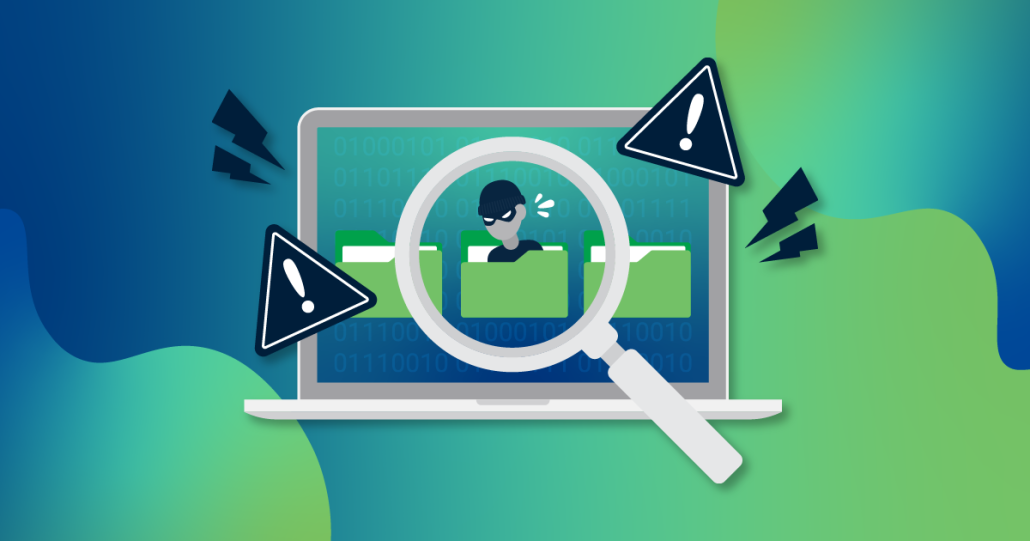
The Impact of Healthcare Data Breaches
Healthcare data breaches can have far-reaching implications for patients and the industry as a whole. Personal health information (PHI) is highly sought after on the dark web, where it can be sold to fraudsters and used for identity theft, insurance fraud, and even blackmail. Additionally, the unauthorized access or alteration of medical records can lead to misdiagnoses, incorrect treatments, and potential harm to patients. The consequences of such breaches are not limited to individual patients but can also impact the overall trust in the healthcare system.
The Role of Cybersecurity in Healthcare
Effective cybersecurity measures are vital for safeguarding patient data and ensuring the continuity of healthcare services. Cybersecurity encompasses a range of practices and technologies that protect data from unauthorized access, disclosure, and destruction. It involves not only implementing robust technical controls but also training staff and fostering a culture of security awareness.
One of the key cybersecurity practices is regular security audits and risk assessments. These assessments help identify vulnerabilities, evaluate the effectiveness of existing controls, and guide the implementation of necessary improvements. By conducting audits, healthcare organizations can proactively manage risks and prioritize resources to protect sensitive data.
Emerging Technologies & Vulnerabilities
As the healthcare industry continues to embrace emerging technologies, such as Internet of Things (IoT) devices and artificial intelligence, new vulnerabilities emerge. IoT devices, while improving patient monitoring and care, often lack adequate security controls, making them susceptible to hacking and data breaches. Similarly, AI applications in healthcare, such as machine learning algorithms for disease diagnosis, can be manipulated if not properly secured.
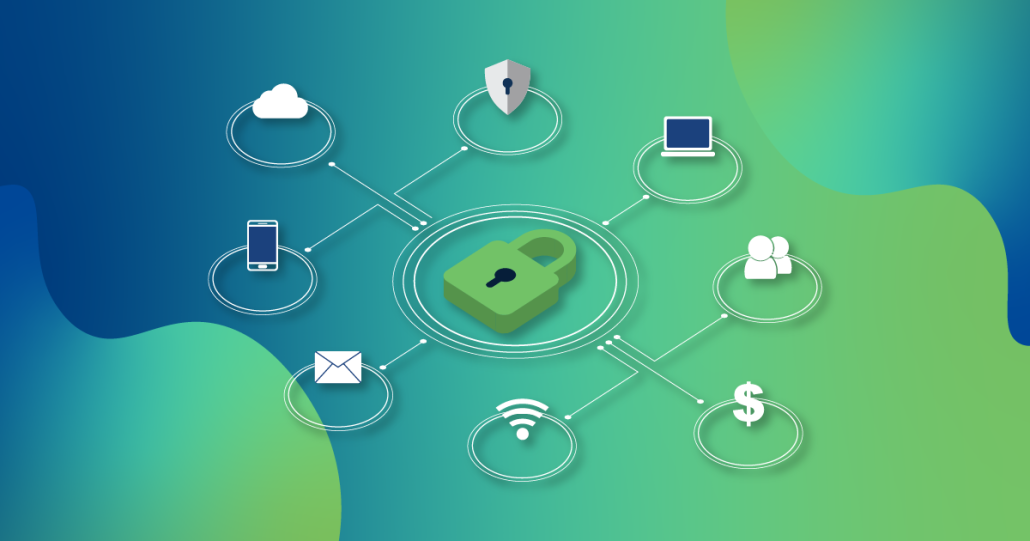
Ensuring cybersecurity in these innovative technologies requires a multidimensional approach. It involves considering security at all stages of development, regularly patching software vulnerabilities, and educating both healthcare professionals and patients about potential risks.
Collaboration & Information Sharing
Cybersecurity challenges in healthcare cannot be addressed in isolation. Collaboration among healthcare organizations, government agencies, and cybersecurity experts is crucial to sharing threat intelligence, best practices, and coordinating incident responses. It allows for the timely detection and mitigation of emerging threats, ensuring a more secure healthcare ecosystem.
Securing Healthcare’s Future
Cybersecurity and Healthcare are inseparable in today’s digitally driven world. The increasing connectivity and reliance on technology in healthcare brings tremendous benefits but also exposes the industry to unprecedented risks. By prioritizing robust cybersecurity measures, conducting regular audits, and fostering collaboration, the healthcare sector can protect patient data, maintain trust, and ensure the continuity of quality care.
Cited sources: