Wearing Multiple Hats: Managing IT in a Small School
The Challenge of Wearing Multiple Hats in Small Schools
In the world of small schools and tight budgets, educators often find themselves juggling multiple responsibilities:
- Teaching or administration duties
- IT support and management
- Network administration
- Hardware maintenance
This “wear many hats” approach stems from:
- Limited staffing
- Financial constraints
- Increasing technological needs
What does this mean for school staff?
Teachers might be:
- Planning lessons and grading
- Supporting students’ academic growth
- Managing network issues
- Updating software
Administrators could be:
- Overseeing school operations
- Managing staff
- Ensuring regulatory compliance
- Troubleshooting tech problems
The impact of this balancing act:
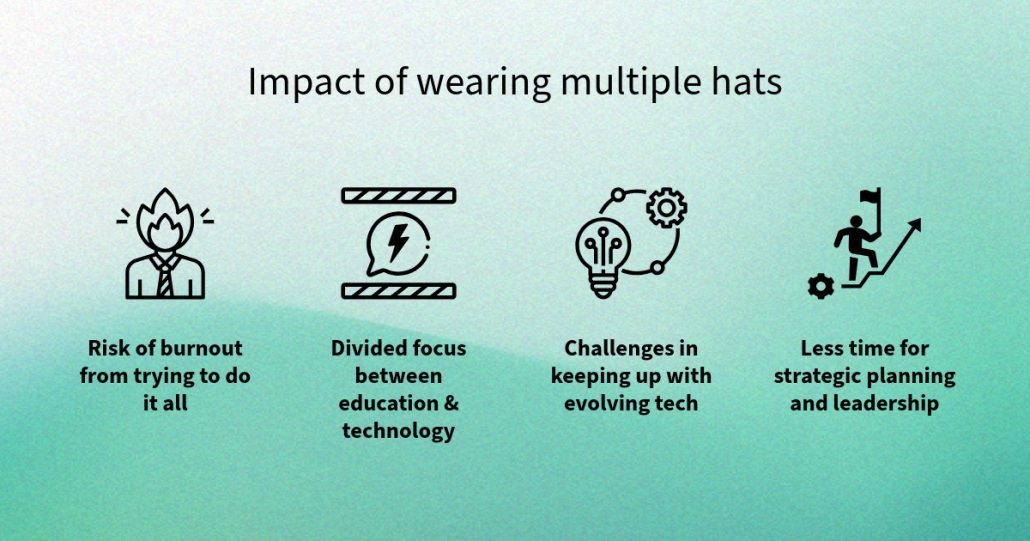
- Risk of burnout from trying to do it all
- Divided focus between education and technology
- Challenges in keeping up with evolving tech
- Less time for strategic planning and leadership
Despite these obstacles, many small schools make it work through dedication and creative problem-solving. The key lies in finding efficient strategies to manage both educational and technological needs effectively.
It’s a delicate balancing act, one that requires creative solutions, prioritization, and a willingness to seek outside support when needed.
Leveraging E-Rate Funding
The E-Rate program, established in 1996, offers a lifeline for schools struggling with technology costs:
- Provides discounts for internet access and internal connections
- Aims to bridge the digital divide
- Ensures equitable access to modern telecommunications
How E-Rate funding works:
- Based on percentage of students eligible for free/reduced-price meals
- Discounts range from 20% to 90% of costs
- Minimum funding floor of $25,000 over a five-year cycle
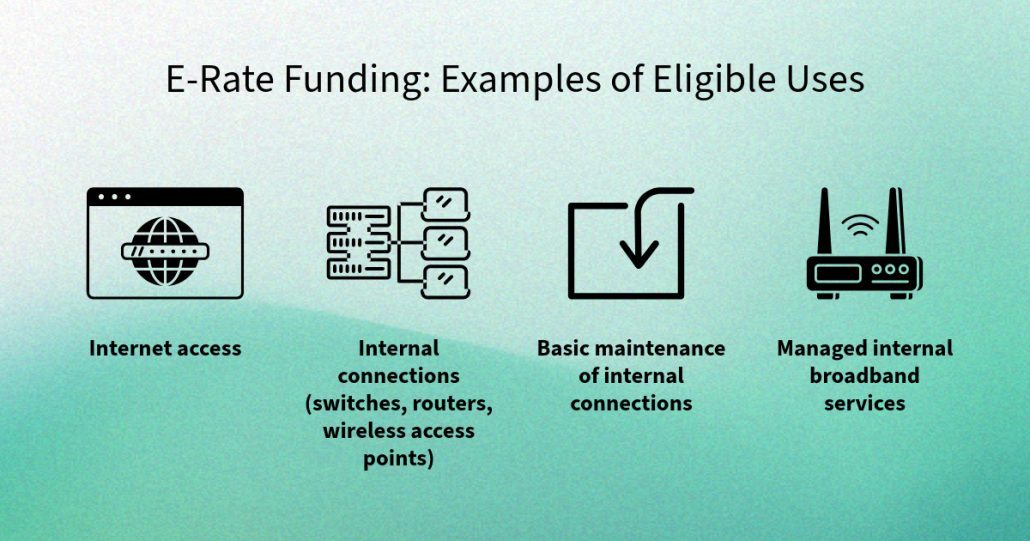
What can E-Rate funds be used for?
- Internet access
- Internal connections (switches, routers, wireless access points)
- Basic maintenance of internal connections
- Managed internal broadband services
Benefits for schools:
- Enhanced network infrastructure
- Improved wireless coverage
- Ability to stay current with evolving technology needs
- Reduced financial burden on tight budgets
By leveraging E-Rate funds, schools can undertake necessary technology upgrades and ensure their students have access to modern, reliable telecommunications services.
Understanding and utilizing E-Rate funding can be a game-changer for small schools, allowing them to invest in crucial technology infrastructure despite limited resources
Navigating the E-Rate Application Process
The E-Rate program offers valuable funding, but the application process can be complex:
- Involves multiple forms and deadlines
- Requires adherence to specific rules and regulations
- Can be time-consuming for already stretched staff
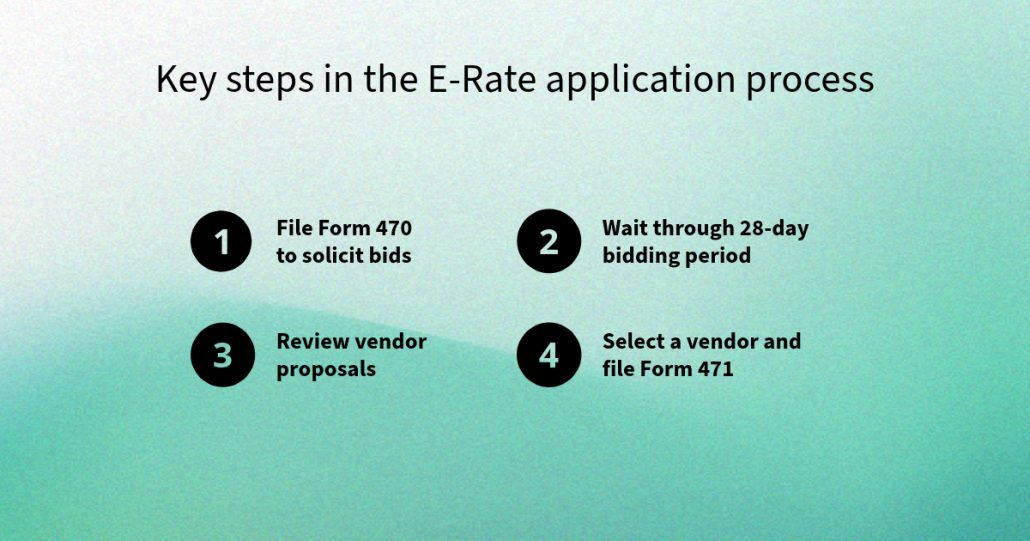
Key steps in the E-Rate application process:
- File Form 470 to solicit bids
- Wait through 28-day bidding period
- Review vendor proposals
- Select a vendor and file Form 471
Challenges schools may face:
- Understanding competitive bidding rules
- Determining product eligibility
- Calculating discount rates accurately
- Managing paperwork and deadlines
The role of E-Rate consultants:
Many schools, especially smaller ones, opt for expert help:
- Handle complex paperwork
- Ensure compliance with program requirements
- Maximize potential funding
- Free up school staff for other priorities
While consultant fees are an additional cost, they often pay for themselves by securing maximum funding and reducing administrative burden on school staff.
Benefits of using a consultant:
- Expertise in determining discount levels
- Assistance in writing thorough RFPs
- Help with bid evaluation
- Proper and timely form filing
For schools with limited IT resources, leveraging an E-Rate consultant can be a strategic decision, allowing them to confidently navigate the application process while focusing on other critical technology needs.
Getting the Most Out of Limited Wireless Coverage
In small schools with limited budgets, optimizing existing wireless infrastructure is crucial. With the rise of 1:1 device initiatives and increased reliance on online resources, ensuring adequate wireless coverage throughout the school becomes a top priority. Here are some tips for maximizing your wireless capabilities without breaking the bank:
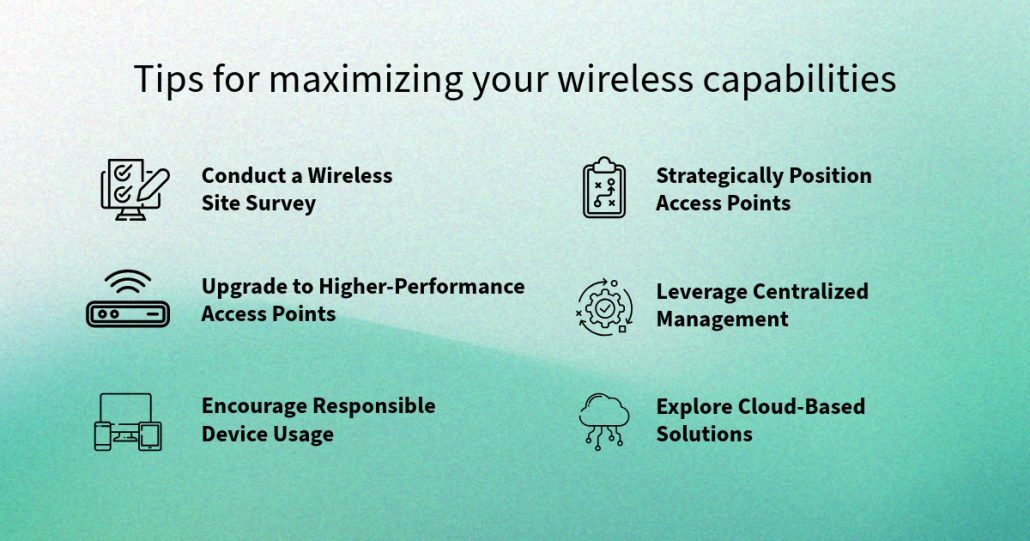
- Conduct a Wireless Site Survey: Identify areas with weak or no signal strength. Pay close attention to classrooms, common areas, and outdoor spaces where students and staff congregate. This will help you prioritize access point placement and determine if you need additional hardware.
- Strategically Position Access Points: Instead of spreading access points evenly throughout the building, concentrate them in high-traffic areas and classrooms. Prioritize coverage in instructional spaces to ensure seamless connectivity for online learning and digital resources.
- Upgrade to Higher-Performance Access Points: If your budget allows, consider upgrading to newer, more powerful access points. Look for models with advanced features like beamforming and MU-MIMO technology, which can significantly improve performance and capacity.
- Leverage Centralized Management: Implement a centralized wireless management system to monitor and optimize your access points remotely. This can help you identify and troubleshoot issues more efficiently, as well as apply consistent policies and configurations across the network.
- Encourage Responsible Device Usage: Educate students and staff on responsible device usage to minimize network congestion. Encourage them to disable automatic updates and limit bandwidth-intensive activities during peak hours.
- Explore Cloud-Based Solutions: Consider cloud-based wireless solutions, which can provide scalable and cost-effective options for small schools. These solutions often offer centralized management, automatic updates, and flexible licensing models.
By following these tips, you can maximize the potential of your existing wireless infrastructure and provide reliable connectivity to support teaching, learning, and administrative tasks within your school’s budget constraints.
Building a Long-Term Technology Plan
In today’s rapidly evolving digital landscape, a strategic, long-term technology plan is essential for schools to stay ahead of the curve. With limited budgets and resources, it’s crucial to prepare for infrastructure upgrades, anticipate future requirements, and ensure that technology investments align with educational goals. A well-crafted multi-year technology roadmap enables schools to prioritize their investments, manage resources effectively, and seamlessly integrate new solutions as they become available.

Key components of a comprehensive technology plan:
- Assessment of current IT infrastructure
- Identification of pain points and challenges
- Forecasting of future technology requirements
- Input from diverse stakeholders (teachers, administrators, IT professionals)
Benefits of a multi-year technology roadmap:
- Effective budget allocation
- Avoidance of unexpected expenses
- Opportunities for bulk purchasing and better vendor negotiations
- Proactive integration of emerging technologies
One of the primary advantages of a long-term technology plan is its ability to facilitate effective budgeting. By anticipating upcoming hardware and software replacements, schools can allocate funds accordingly and avoid unexpected expenses that could strain their resources. Additionally, a well-designed plan enables schools to take advantage of bulk purchasing opportunities, potentially negotiating better prices and terms with vendors.
A well-designed technology plan allows schools to anticipate future needs and allocate resources strategically, ensuring they stay at the forefront of educational innovation.
Planning for the future:
- Incorporate emerging technologies and trends
- Support innovative teaching methods
- Enable personalized learning experiences
- Enhance collaboration tools
Implementing and maintaining a technology plan is an ongoing process that requires regular review and adjustment. As new challenges arise or priorities shift, the plan should be updated to reflect these changes. Many schools find it beneficial to engage with experienced IT partners who can provide valuable insights and guidance throughout this process, ensuring that the plan remains relevant and effective in supporting the school’s mission and goals.
By developing and following a long-term technology plan, schools can make informed decisions about their IT investments, ensure a smooth integration of new solutions, and provide students and teachers with the tools they need to succeed in an increasingly digital world. valuable insights and guidance throughout this process, ensuring that the plan remains relevant and effective.
Cybersecurity Risks in the Education Sector
In recent years, the education sector has become an increasingly attractive target for cybercriminals. Schools and districts store vast amounts of sensitive data, including personal information about students and staff, making them prime targets for various cyber threats. This data can be exploited for identity theft, financial fraud, or even used as leverage in ransomware attacks, posing significant risks to the entire educational community.
The COVID-19 pandemic has further exacerbated these risks by expanding the attack surface for malicious actors. As schools rapidly adopted online learning platforms and increased their reliance on technology, they inadvertently created new vulnerabilities. Outdated software, misconfigured systems, and a lack of security awareness among users have all contributed to this heightened risk environment.
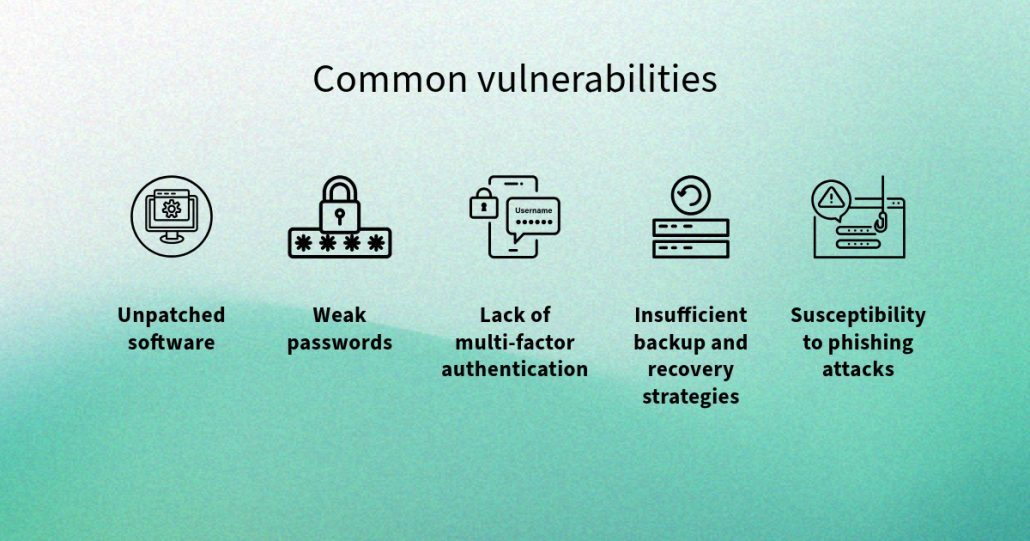
Common vulnerabilities in the education space:
- Unpatched software
- Weak passwords
- Lack of multi-factor authentication
- Insufficient backup and recovery strategies
- Susceptibility to phishing attacks
Phishing attacks, where hackers attempt to trick users into revealing login credentials or installing malware, remain a persistent threat in the education sector. These attacks often target staff members with access to sensitive information or financial systems, potentially compromising entire networks.
The education sector’s wealth of sensitive data and increased reliance on technology make it a prime target for cybercriminals. Schools must prioritize cybersecurity to protect their communities and ensure a safe learning environment.
To mitigate these risks, schools and districts must prioritize cybersecurity as a critical component of their overall technology strategy. Regular security assessments can help identify vulnerabilities and provide a roadmap for improving the overall security posture. These assessments may include:
- Penetration testing to simulate real-world attack scenarios
- Vulnerability scanning to identify potential weaknesses in systems and applications
- Evaluation of security policies and procedures to ensure they meet current best practices
By understanding the unique cyber threats facing the education sector and taking proactive measures to enhance security, schools can better protect sensitive data and maintain operational continuity. This approach not only safeguards the institution’s reputation but also ensures a safe and secure learning environment for students and staff.
Implementing a comprehensive cybersecurity strategy requires ongoing effort and investment. However, the cost of prevention is often far less than the potential financial and reputational damage caused by a successful cyber attack. By making cybersecurity a priority, schools can demonstrate their commitment to protecting their community and fostering a culture of digital responsibility.
Physical Security Solutions for Schools
Modern physical security solutions play a vital role in enhancing the safety of students, staff, and facilities in educational environments. With advancements in technology, schools now have access to comprehensive systems that integrate various components, such as cameras, access control, and sensors, to provide a multi-layered approach to security.
Surveillance Cameras: High-definition cameras strategically placed throughout the school premises can monitor activity and record footage, serving as a deterrent to potential threats and aiding in incident investigation. These cameras can be equipped with advanced features like motion detection, night vision, and analytics capabilities for improved situational awareness.
Access Control Systems: By controlling and monitoring who enters and exits the school building, access control systems help create a secure perimeter. These systems can include card readers, biometric scanners, and visitor management systems, ensuring that only authorized individuals gain entry. Integration with surveillance cameras further enhances the overall security posture.
Sensors and Alarms: Schools can benefit from various sensor technologies, such as motion detectors, glass break sensors, and door/window sensors, which can trigger alarms and notify authorities in case of unauthorized entry or activity. Additionally, environmental sensors can monitor air quality, temperature, and noise levels, contributing to a safer and more comfortable learning environment.
Integrated Security Management: Modern security systems offer centralized management platforms that allow for seamless integration of cameras, access control, and sensors. This unified approach enables real-time monitoring, incident response, and comprehensive reporting, providing a holistic view of the school’s security status.
By implementing these physical security solutions, schools can proactively address safety concerns, deter potential threats, and respond more effectively to incidents. Furthermore, these systems can provide valuable data and insights for continuous improvement and risk mitigation strategies, ultimately fostering a secure and conducive learning environment for students and staff alike.
Funding Sources for Safety & Security Projects
Securing adequate funding is often one of the most significant challenges schools face when looking to upgrade physical security systems or bolster cybersecurity defenses. However, several funding sources and budgeting strategies can help offset these costs and make critical security improvements more attainable.
Grant Opportunities
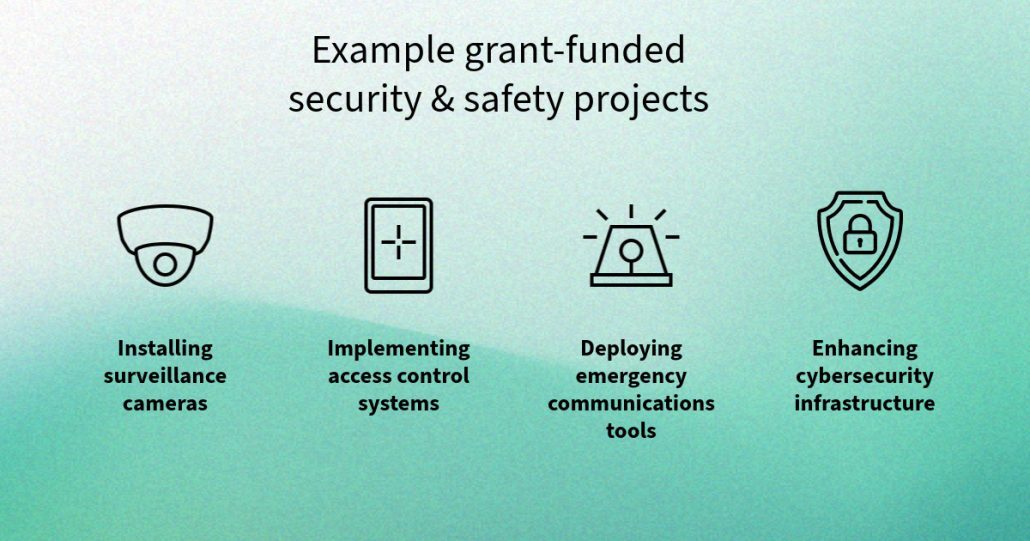
One avenue to explore is grant opportunities specifically designed for school safety and security initiatives. These grants can provide substantial funding for various projects, including:
- Installing surveillance cameras
- Implementing access control systems
- Deploying emergency communications tools
- Enhancing cybersecurity infrastructure
Federal and state governments, as well as some private organizations, offer grants that can significantly contribute to school security projects. It’s crucial to closely monitor grant application periods and requirements to maximize opportunities.
Financing and Leasing Options
For large-scale security overhauls with considerable upfront costs, schools may want to consider financing or leasing options. These alternatives allow for the expense to be spread over multiple years, making substantial upgrades more feasible within existing budgets. Many security vendors and IT providers offer financing programs tailored to the needs of educational institutions.
Budgeting for Ongoing Expenses
Allocating budget for ongoing expenses is crucial to maintaining a robust security posture. This includes costs such as:
- Cloud-based security subscriptions
- Managed security services
- Extended hardware warranties
Incorporating these recurring costs into long-term budgets helps ensure that security tools and coverage don’t lapse due to lack of funding.
Prioritizing and Phased Implementation
Working closely with security experts to conduct risk assessments can help schools prioritize areas of greatest need and stretch security budgets further. This approach allows for focusing spending on the most impactful solutions first. A staggered implementation roadmap enables schools to enhance their security posture incrementally as funds become available.
By exploring these various funding sources and adopting strategic budgeting approaches, schools can overcome financial barriers to implementing crucial safety and security measures. This proactive approach not only helps protect students and staff but also demonstrates a commitment to creating a safe and secure learning environment.
Remember that investing in security is an ongoing process. Regularly reassessing needs, exploring new funding opportunities, and adjusting budgets accordingly will help ensure that schools maintain a strong security posture in the face of evolving threats and technological advancements.
Finding the Right IT Partner for K-12 Needs
For small schools or districts with limited resources, selecting an appropriate technology solutions provider can significantly impact the effectiveness of IT operations. A well-chosen IT partner, specializing in and deeply understanding the unique K-12 environment, can help maximize budgets, leverage available funding sources, and implement solutions tailored to the needs of educators and students.
Key Qualities to Look For
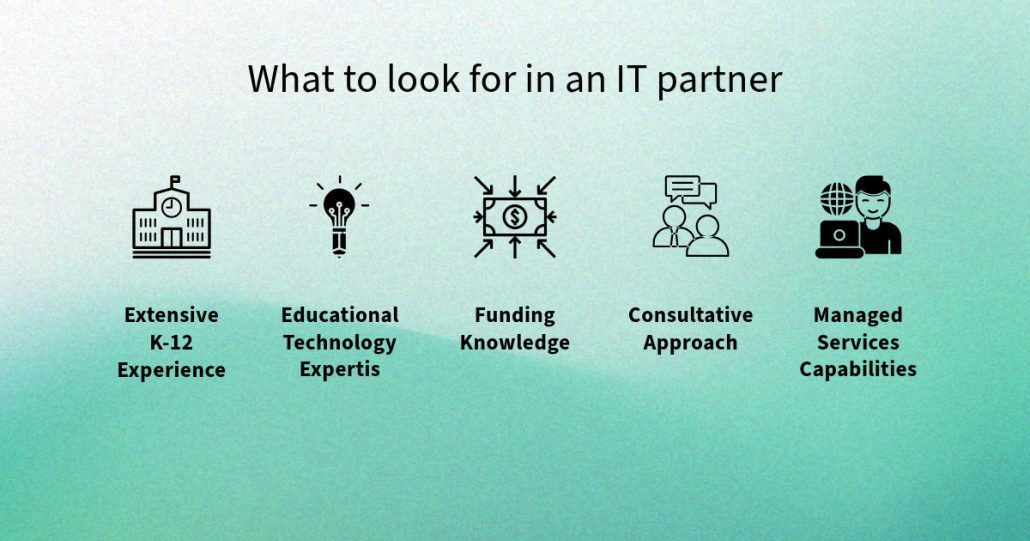
When searching for an ideal IT partner, consider the following essential qualities:
- Extensive K-12 Experience: Look for a provider with a proven track record of successful projects in the education sector and a portfolio of satisfied K-12 clients.
- Educational Technology Expertise: Familiarity with classroom technology, learning management systems, and the latest educational tools and trends is crucial.
- Funding Knowledge: The partner should be well-versed in the intricacies of the E-Rate program and other funding opportunities available to schools.
- Consultative Approach: Seek a provider that takes the time to understand your school’s unique needs, challenges, and long-term goals.
- Managed Services Capabilities: Consider a partner that offers remote monitoring, management, and maintenance of your technology infrastructure.
An IT partner that specializes in and deeply understands the unique K-12 environment can help you maximize your budget, leverage available funding sources, and implement solutions tailored to the needs of educators and students.
Benefits of the Right Partnership
Choosing an IT partner with these qualities can offer several advantages:
- Maximized Budget: Expertise in K-12 funding opportunities, like the E-Rate program, can help unlock significant cost savings and stretch limited budgets further.
- Tailored Solutions: A consultative approach ensures that recommended solutions align with your school’s vision and available resources.
- Ongoing Support: Access to a team of experts through managed services can ensure optimal performance, security, and uptime of your IT infrastructure.
- Focus on Core Mission: With a reliable IT partner handling technology needs, internal resources can be redirected to focus on other educational priorities.
Collaborative Approach
The ideal K-12 IT partner should work collaboratively with your school or district, providing guidance and support at every stage. This includes:
- Initial needs assessment
- Solution design and implementation
- Ongoing maintenance and support
- Strategic planning for future technology needs
By carefully selecting an IT partner that understands the unique challenges and opportunities in the K-12 sector, schools can enhance their technological capabilities, improve operational efficiency, and ultimately provide a better learning environment for students.
Remember, the right IT partnership is not just about technology – it’s about finding a trusted advisor who can help your school navigate the complex world of educational technology and make informed decisions that support your educational mission.
Managed Services – A Force Multiplier for Small IT Teams
For small schools with limited technical staff and resources, managed IT services can be a game-changer. Managed services providers (MSPs) offer a comprehensive suite of IT support and management capabilities that can augment the efforts of in-house teams or even serve as a fully outsourced IT department.
Key Benefits of Managed Services
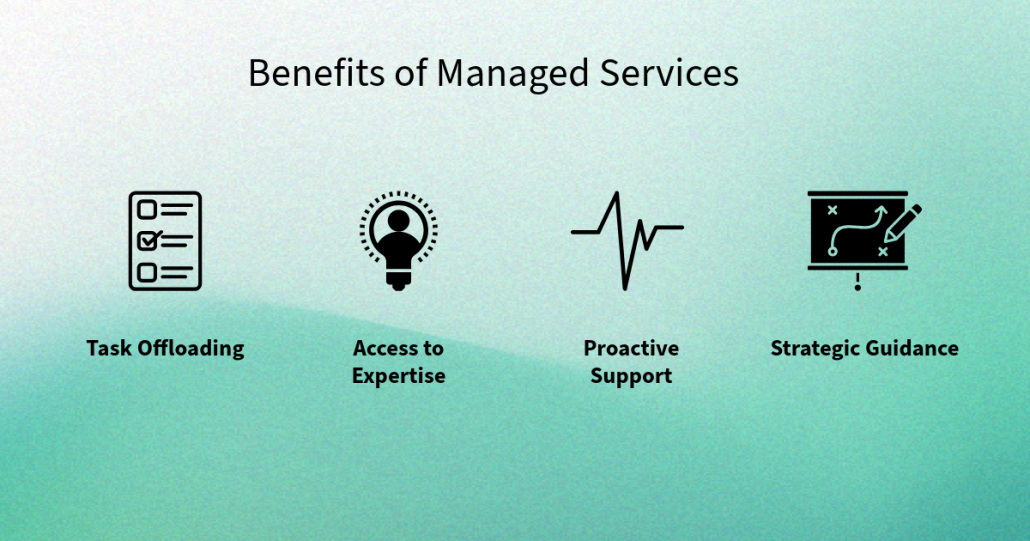
- Task Offloading: MSPs can handle time-consuming tasks like endpoint management, patch management, and software updates.
- Access to Expertise: Gain on-demand access to specialized skills across various IT domains.
- Proactive Support: Continuous monitoring and preventive measures help avoid downtime and disruptions.
- Strategic Guidance: Many MSPs offer IT consulting services to help develop long-term technology roadmaps.
Managed services can provide access to a deep bench of technical expertise across various domains, including networking, cybersecurity, cloud services, and more.
How Managed Services Empower Small IT Teams
- Remote Monitoring and Management:
- MSPs deploy tools on the school’s network to remotely monitor and maintain all devices.
- Ensures devices are up-to-date, secure, and running optimally.
- Freeing Up In-House Resources:
- Offloading routine tasks allows in-house staff to focus on more strategic initiatives.
- Proactive Problem-Solving:
- Continuous system monitoring helps identify and address potential issues before they cause disruptions.
- Strategic IT Planning:
- MSPs can help evaluate emerging solutions and align IT investments with overall organizational goals.
Maximizing Resources and Capabilities
By leveraging managed IT services, small schools can:
- Access enterprise-grade IT capabilities and expertise
- Ensure a stable and reliable IT environment for students and staff
- Maximize limited resources and budgets
- Avoid costly outages and disruptions
- Gain strategic guidance for long-term technology planning
Ready to transform your school’s IT capabilities? Don’t let limited resources hold you back. Explore how managed IT services can empower your small IT team and enhance your school’s technology infrastructure.
Take the Next Step