Best Practices for Securing Cloud Services in Education
In today’s educational landscape, institutions are increasingly leveraging cloud services to enhance learning experiences, streamline administrative tasks, and improve collaboration among students and staff. However, this widespread adoption of cloud technologies brings with it significant security challenges that need to be addressed proactively.
To safeguard sensitive data and ensure a secure cloud environment, educational institutions must implement a comprehensive set of best practices. This blog post outlines key strategies and real-life examples for securing cloud services in education, backed by industry standards and insights from cybersecurity experts. Whether you’re an IT administrator or a school leader, these actionable steps will help you protect your organization from potential threats and ensure compliance with relevant regulations.
Enabling Multi-Factor Authentication (MFA)
One of the most effective ways to secure access to cloud services is by implementing Multi-Factor Authentication (MFA). MFA requires users to provide two or more verification factors to gain access, dramatically reducing the likelihood of unauthorized access.
Why MFA Matters
According to the National Institute of Standards and Technology (NIST), MFA significantly enhances the security posture of any organization by adding an additional layer of defense beyond just passwords, which can be easily compromised. For educational institutions, where sensitive student and staff information is stored, deploying MFA can help prevent unauthorized access to crucial resources.
How to Implement MFA Effectively
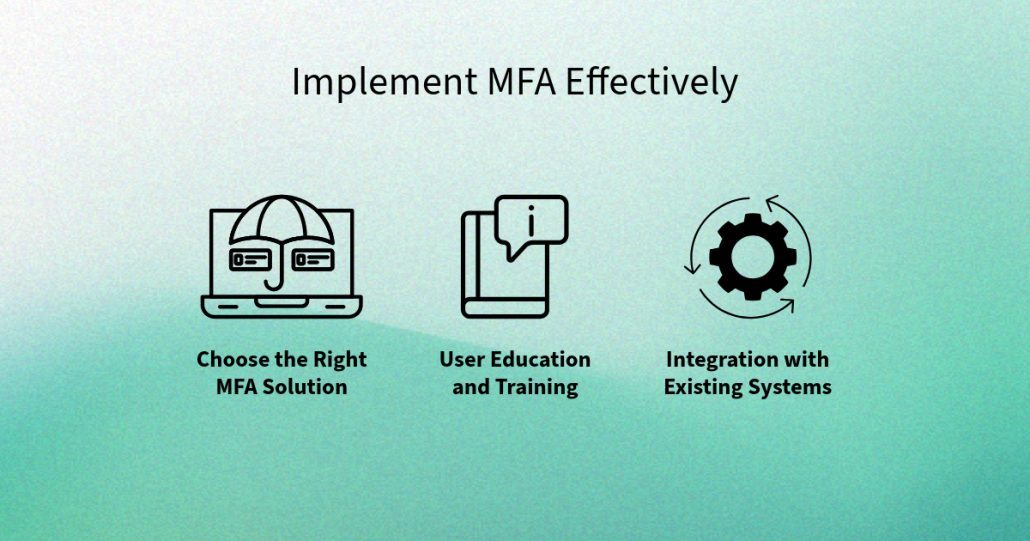
To maximize the benefits of MFA, consider the following practical steps:
- Choose the Right MFA Solution: Options like Google Authenticator, Microsoft Authenticator, Duo Security, or Okta offer easy integration with popular cloud platforms. Evaluate these tools based on your institution’s specific needs and existing infrastructure.
- User Education and Training: Ensure all users understand the importance of MFA and how to use it correctly. Provide training sessions and resources, such as tutorial videos and FAQs, to facilitate smooth adoption.
- Integration with Existing Systems: Seamlessly integrate MFA with your current identity services, such as Azure Active Directory or Google Workspace, to streamline user experience while maintaining security.
By adopting MFA, educational institutions can significantly mitigate risks associated with stolen or compromised credentials, ensuring that only authorized individuals can access sensitive information.
Implementing Data Encryption
Data encryption is another critical component in securing cloud services for educational institutions. Encryption ensures that data remains unreadable to unauthorized individuals, both during transit and while at rest, thereby protecting sensitive information from potential breaches.
The Importance of Encryption
Data breaches can lead to significant financial and reputational damage, especially in educational institutions where student records, personal information, and academic data are at risk. Encrypting data mitigates the impact of such breaches by ensuring that even if data is intercepted or accessed without authorization, it cannot be deciphered without the encryption keys.
Key Strategies for Data Encryption

Here are essential strategies to effectively implement data encryption in your cloud environment:
- Encryption In Transit: Ensure that data being transmitted between users and cloud services is encrypted using protocols like TLS (Transport Layer Security). This protects data from interception during the transfer process.
- Encryption At Rest: Encrypt data stored within cloud services using advanced encryption standards such as AES-256 (Advanced Encryption Standard) to ensure it remains protected even if storage systems are compromised.
- Key Management: Implement robust key management practices, including the use of hardware security modules (HSMs) and secure key distribution mechanisms, to manage and protect encryption keys effectively. Regularly rotate and review key access policies to maintain the integrity of your encryption system.
Real-Life Implementation Example
For instance, a university might employ end-to-end encryption for its email communications, ensuring that only the intended recipient can read the message. They could also encrypt student records stored in their cloud-based learning management system, adding an extra layer of security.
By implementing data encryption, educational institutions can provide a higher level of data security, meeting compliance requirements and maintaining the trust of their students and staff.
Conducting Regular Security Audits and Ensuring Compliance
Regular security audits are essential for maintaining the security of cloud services in educational institutions. These audits help identify vulnerabilities, verify that security measures are effective, and ensure compliance with relevant regulations.
Why Regular Audits Are Crucial
Security threats are constantly evolving, and what may be secure today could become vulnerable tomorrow. Regular audits enable institutions to stay ahead of potential threats by evaluating and updating their security posture continually. Additionally, adhering to regulatory requirements such as FERPA, HIPAA, and GDPR is essential for protecting sensitive data and avoiding penalties.
Steps to Conduct Effective Security Audits
To conduct effective security audits, educational institutions should consider the following steps:
- Establish a Baseline: Document the current security policies, procedures, and configurations to create a baseline against which future audits can be compared.
- Automated and Manual Testing: Use a combination of automated security tools and manual testing to identify vulnerabilities. Tools like intrusion detection systems (IDS), vulnerability scanners, and SIEM (Security Information and Event Management) solutions can automate much of the process, while manual testing can provide insights into more complex issues.
- Review Access Controls: Regularly review and update access controls to ensure that only authorized personnel have access to sensitive data and systems. Implement the principle of least privilege to minimize potential risks.
- Compliance Checklists: Create checklists based on regulatory requirements and industry standards to ensure that your institution meets all necessary compliance criteria. Use frameworks like NIST Cybersecurity Framework (CSF) 2.0.
Continuous Monitoring and Improvement
Beyond periodic audits, continuous monitoring of your cloud environment is vital. Implement real-time monitoring tools that can alert IT staff to potential security incidents as they happen. Regularly review audit findings and update security measures accordingly to address any identified vulnerabilities.
By conducting thorough security audits and maintaining compliance, educational institutions can build a resilient security framework that protects sensitive data and supports a safe learning environment.
User Education and Training
User education and training are critical components of an effective security strategy for educational institutions. While technical controls and policies are essential for safeguarding cloud services, the human aspect must not be overlooked. Teaching faculty, staff, and students about security best practices can significantly reduce the risk of security incidents.
The Importance of Security Training
Many security breaches can be traced back to human error, such as clicking on phishing links, using weak passwords, or neglecting to update software. By educating users about these risks and how to avoid them, institutions can create a culture of security awareness that complements technical safeguards.
Key Areas of Focus for Training
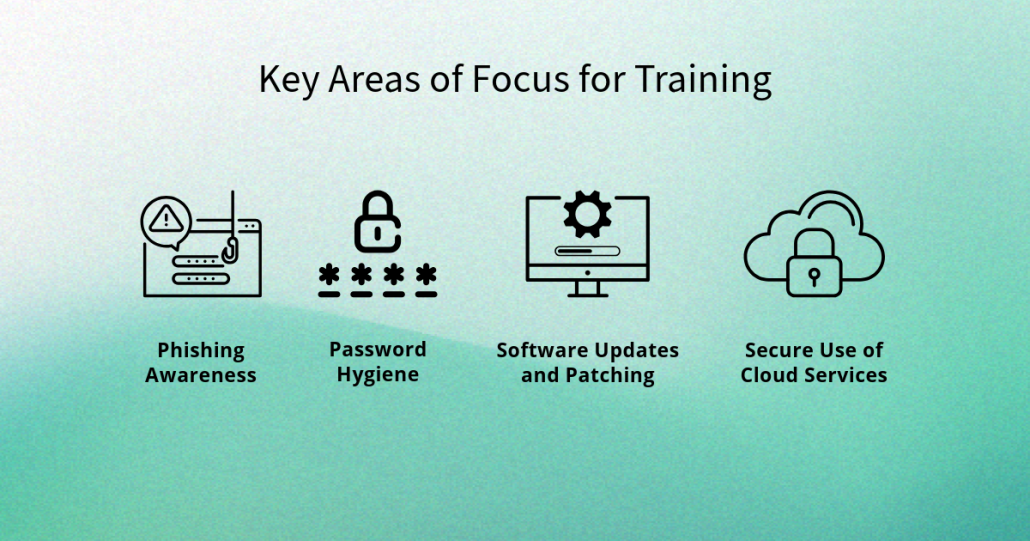
To develop an effective security training program, consider the following key areas:
- Phishing Awareness: Educate users about the common signs of phishing attacks and instruct them on how to report suspicious emails. Use simulated phishing exercises to reinforce training and assess user awareness.
- Password Hygiene: Teach users how to create strong, unique passwords and the importance of changing them regularly. Encourage the use of password managers to help users manage their credentials securely.
- Software Updates and Patching: Inform users about the importance of keeping their software and devices up-to-date with the latest security patches. Organize regular reminders and provide easy-to-follow instructions for applying updates.
- Secure Use of Cloud Services: Instruct users on the secure use of cloud services, such as the correct configuration of privacy settings, the safe sharing of files, and the use of multi-factor authentication (MFA).
Implementing an Ongoing Training Program
To ensure that security training is effective and up-to-date, consider the following approaches:
- Regular Workshops and Seminars: Host regular workshops and seminars to update users on the latest security threats and best practices. These can be in-person or virtual sessions.
- Online Training Modules: Develop online training modules that users can complete at their own pace. This can include interactive content, quizzes, and scenarios to reinforce learning.
- Awareness Campaigns: Launch awareness campaigns that use email newsletters, posters, and social media to remind users of important security practices and updates.
- Mandatory Training: Make security training a mandatory requirement for all new employees and students. Conduct annual refresher courses to ensure ongoing compliance and awareness.
By prioritizing user education and training, educational institutions can empower their community to follow security best practices, significantly reducing the risk of security incidents and contributing to a safer learning environment.
Incident Response and Recovery
Despite the best efforts to prevent security breaches, incidents can still occur. Having a well-defined Incident Response and Recovery plan is crucial for educational institutions to minimize damage and quickly restore normal operations. This plan should outline the steps to take when a security incident is detected, including how to identify, contain, eradicate, and recover from the incident.
Developing an Incident Response Plan
An effective incident response plan should include the following key elements:
- Incident Response Team (IRT): Establish a dedicated team responsible for managing security incidents. This team should include members from IT, legal, communications, and senior management.
- Clear Roles and Responsibilities: Define the roles and responsibilities of each team member, ensuring that everyone knows their tasks during an incident.
- Incident Classification: Develop a system to classify incidents based on their severity and impact. This helps prioritize the response efforts and allocate resources appropriately.
- Detection and Reporting: Implement mechanisms for detecting security incidents, such as intrusion detection systems and monitoring tools. Establish clear procedures for reporting incidents to the IRT.
Steps in the Incident Response Process
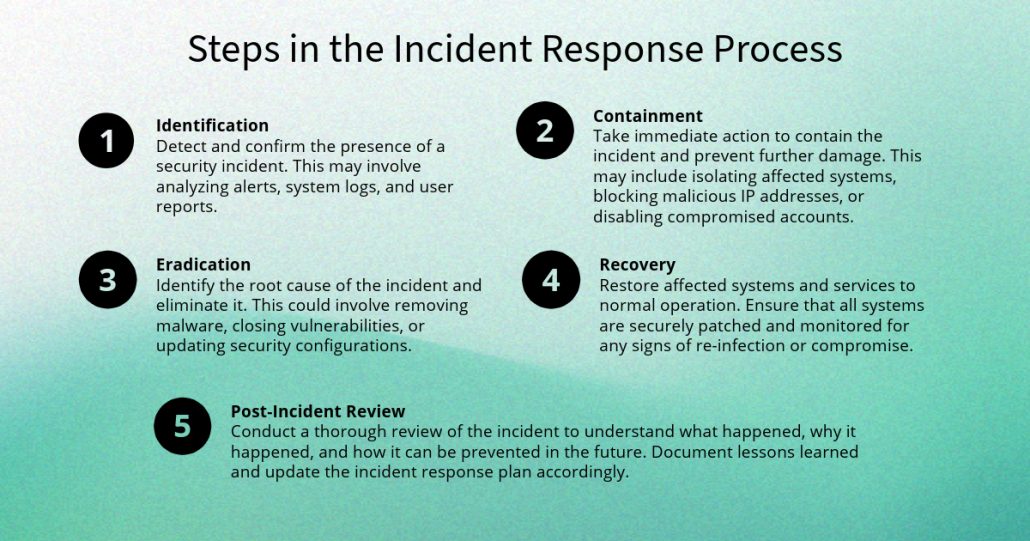
The incident response process typically involves the following steps:
- Identification: Detect and confirm the presence of a security incident. This may involve analyzing alerts, system logs, and user reports.
- Containment: Take immediate action to contain the incident and prevent further damage. This may include isolating affected systems, blocking malicious IP addresses, or disabling compromised accounts.
- Eradication: Identify the root cause of the incident and eliminate it. This could involve removing malware, closing vulnerabilities, or updating security configurations.
- Recovery: Restore affected systems and services to normal operation. Ensure that all systems are securely patched and monitored for any signs of re-infection or compromise.
- Post-Incident Review: Conduct a thorough review of the incident to understand what happened, why it happened, and how it can be prevented in the future. Document lessons learned and update the incident response plan accordingly.
Developing a Recovery Plan
A comprehensive recovery plan ensures that the educational institution can quickly and effectively resume normal operations after a security incident. Key components of a recovery plan include:
- Backup and Restore Procedures: Maintain regular backups of critical data and systems. Ensure that backup processes are secure and that recovery procedures are tested regularly.
- Communication Plan: Develop a communication strategy for informing stakeholders, including students, faculty, staff, and external partners, about the incident and the steps being taken to resolve it.
- Business Continuity Plan: Create a business continuity plan that outlines how the institution will maintain essential functions during and after a security incident. Identify critical systems and processes that need to be prioritized for recovery.
- Training and Drills: Conduct regular training and simulation exercises for the incident response team and other stakeholders to ensure everyone is prepared to act swiftly and effectively in the event of an incident.
By having a robust incident response and recovery plan in place, educational institutions can mitigate the impact of security breaches, protect sensitive data, and ensure a rapid return to normal operations.
Security Awareness Training
Security awareness training is an essential component of any cybersecurity strategy in educational institutions. It ensures that all members of the institution, including faculty, staff, and students, are informed about security risks and know how to protect themselves and the institution’s data.
Importance of Security Awareness Training
The goal of security awareness training is to create a culture of security within the institution by:
- Educating Users on Threats: Informing users about common threats such as phishing, social engineering, malware, and ransomware.
- Promoting Best Practices: Teaching users how to recognize and respond to security threats, use strong passwords, secure personal and institutional devices, and safely navigate the internet.
- Reducing Human Error: Minimizing the chances of accidental data breaches or security incidents caused by user mistakes.
Key Components of an Effective Security Awareness Program
An effective security awareness training program should include the following elements:
- Regular Training Sessions: Conduct training sessions regularly to keep staff and students updated on the latest security threats and practices.
- Tailored Content: Customize the content to address the specific needs and roles of different groups within the institution. For example, IT staff may require more in-depth technical training, while students might benefit from basic cybersecurity hygiene.
- Engaging and Interactive Materials: Use engaging and interactive materials such as videos, quizzes, and simulations to enhance learning and retention.
- Real-World Scenarios: Incorporate simulations and case studies that reflect real-world scenarios and potential security incidents relevant to the institution.
- Policy and Procedure Education: Ensure that the training covers the institution’s specific security policies and procedures so users understand their responsibilities.
Implementing a Security Awareness Training Program
To implement a successful security awareness program, consider the following steps:
- Assess Needs and Risks: Evaluate the current security knowledge of your institution’s community and identify specific risks or gaps that need addressing.
- Develop a Training Plan: Create a comprehensive training plan that outlines objectives, content, methods, and schedule.
- Utilize Multiple Channels: Deliver training through various channels, such as in-person workshops, online courses, newsletters, and email alerts.
- Incorporate Feedback: Encourage feedback from participants to continually improve the program’s effectiveness.
- Measure Success: Regularly assess the program’s effectiveness through metrics such as participation rates, test scores, and the reduction of security incidents.
- Reinforce Continuously: Reinforce key concepts through regular updates and reminders to keep security awareness top of mind.
By implementing a comprehensive security awareness training program, educational institutions can empower their community to recognize and respond to security threats, ultimately enhancing the overall security posture of the institution.
Data Privacy and Protection
In the realm of educational institutions, protecting the privacy and integrity of data is of paramount importance. With vast amounts of sensitive information being stored and exchanged, it is crucial to implement robust data privacy practices to safeguard against breaches and unauthorized access.
Understanding Data Privacy and Protection
Data privacy involves handling data responsibly, adhering to regulatory requirements, and respecting the privacy of individuals. Educational institutions must ensure that personal information, such as student records, faculty details, and research data, is protected from misuse, loss, or unauthorized access.
Data protection refers to the practices and technologies used to secure data across its lifecycle—from collection and storage to processing and sharing. It involves implementing measures to prevent data breaches and ensure the integrity and availability of data.
Key Principles of Data Privacy
To ensure effective data privacy, educational institutions should adhere to the following principles:
- Transparency: Be clear and transparent about data collection, usage, sharing, and retention practices. Inform individuals about their data rights and how their information is being used.
- Consent: Obtain explicit consent from individuals before collecting, using, or sharing their personal data. Ensure that consent is given freely, specifically, and with a full understanding of its implications.
- Data Minimization: Collect only the data that is necessary for specific purposes and avoid excessive data collection.
- Accuracy: Keep personal data accurate, complete, and up-to-date.
- Storage Limitation: Retain personal data for only as long as necessary for the purposes for which it was collected. Implement secure disposal methods for data that is no longer needed.
- Integrity and Confidentiality: Implement appropriate security measures to protect personal data from unauthorized access, disclosure, alteration, or destruction.
Implementing Data Protection Measures
Educational institutions should employ the following data protection measures to ensure the safety and integrity of data:
- Encryption: Use encryption to secure data both at rest and in transit. This ensures that data is unreadable to unauthorized parties even if it is intercepted.
- Access Controls: Implement strict access controls to ensure that only authorized personnel can access sensitive data. This includes using role-based access controls (RBAC) and multifactor authentication (MFA).
- Data Backup and Recovery: Regularly back up critical data and have a robust data recovery plan in place to restore data in case of loss or breach.
- Secure Data Storage: Use secure servers and data centers with physical and technical safeguards to protect stored data from breaches and physical damage.
- Regular Audits and Assessments: Conduct regular audits and risk assessments to identify vulnerabilities and ensure compliance with data privacy regulations and policies.
- Employee Training: Train all employees on data privacy principles, practices, and their specific roles in protecting sensitive information.
Regulatory Compliance
Educational institutions must ensure compliance with relevant data privacy laws and regulations, which may include:
- General Data Protection Regulation (GDPR): Applies to institutions that handle the personal data of individuals in the European Union.
- Family Educational Rights and Privacy Act (FERPA): Governs the access to and privacy of student education records in the United States.
- Health Insurance Portability and Accountability Act (HIPAA): Applies to institutions handling sensitive health information.
Compliance with these regulations not only helps protect personal data but also mitigates the risk of legal and financial repercussions associated with data breaches and non-compliance.
By adopting strong data privacy and protection measures, educational institutions can build trust with their stakeholders, ensure the security of their data assets, and maintain compliance with regulatory standards.
Educational Technology Integration
The integration of technology in education has revolutionized the learning experience for students and educators alike. By leveraging innovative tools and resources, educational institutions can enhance the effectiveness of teaching, personalize learning experiences, and prepare students for a technology-driven world.
Benefits of Educational Technology
Integrating educational technology offers several key benefits:
- Enhanced Engagement: Interactive and multimedia tools can make learning more engaging, helping to capture students’ attention and foster a deeper understanding of the material.
- Personalized Learning: Technology allows educators to tailor instruction to meet individual student needs, enabling differentiated learning paths and pacing.
- Collaboration and Communication: Digital tools facilitate collaboration between students and teachers, as well as among students, through platforms that support discussions, group projects, and peer feedback.
- Access to Resources: Students gain access to a vast array of online resources, including e-books, academic journals, videos, and educational software, empowering them to explore and learn beyond the classroom.
- Efficiency in Administration: Automation of administrative tasks such as grading, attendance tracking, and scheduling frees up educators’ time, allowing them to focus more on teaching and student support.
Key Technologies in Education
Several technologies are transforming education, including:
- Learning Management Systems (LMS): Platforms like Canvas, Moodle, and Google Classroom enable the organization and delivery of course content, assignment submissions, grading, and communication between students and teachers.
- Educational Apps and Software: Applications such as Khan Academy, Duolingo, and Quizlet offer interactive learning experiences and practice activities tailored to various subjects and skills.
- Virtual and Augmented Reality (VR/AR): These technologies provide immersive learning experiences, enabling students to explore virtual environments, conduct virtual labs, and engage in interactive simulations.
- Interactive Whiteboards: Tools like SMART Boards facilitate dynamic and collaborative classroom activities, allowing teachers to present content interactively and engage students effectively.
- Online Collaboration Tools: Platforms like Google Workspace, Microsoft Teams, and Zoom support real-time collaboration, virtual classrooms, and remote learning opportunities.
Strategies for Effective Integration
To maximize the benefits of educational technology, institutions should adopt the following strategies:
- Professional Development: Provide ongoing training for educators to help them effectively integrate technology into their teaching practices. This includes hands-on workshops, online courses, and peer mentoring.
- Curriculum Alignment: Ensure that technology use aligns with curriculum objectives and enhances the learning outcomes. Integrate technology in a way that complements and supports traditional teaching methods.
- Student-Centered Approach: Focus on the needs and interests of students when selecting and implementing technology. Encourage student input and feedback to ensure the tools are engaging and relevant.
- Digital Literacy: Foster digital literacy among students, helping them develop the skills needed to navigate and use technology responsibly and effectively.
- Evaluation and Feedback: Regularly evaluate the effectiveness of technology integration through feedback from students and educators, as well as assessing its impact on academic performance and engagement.
Addressing Challenges
While integrating technology offers numerous advantages, it also presents challenges that need to be addressed:
- Digital Divide: Ensure equal access to technology for all students, addressing disparities in device availability, internet connectivity, and digital skills.
- Privacy and Security: Protect the privacy and security of student data by implementing robust cybersecurity measures and adhering to data protection regulations.
- Resistance to Change: Address resistance from educators and stakeholders by demonstrating the benefits of technology, providing adequate support, and fostering a culture of innovation.
- Cost: Consider the financial implications of technology adoption, including initial investment, maintenance, and training costs. Seek funding opportunities and partnerships to support technology initiatives.
By thoughtfully integrating technology, educational institutions can create a dynamic and inclusive learning environment that prepares students for success in an increasingly digital world.
Transform Your Educational Technology Today!
At CIT, we’re committed to revolutionizing the education sector through cutting-edge technology solutions. Our team provides tailored IT services and resources that enhance learning environments, streamline operations, and ensure robust security. Whether you’re looking to integrate new technology, protect sensitive data, or require ongoing support, we have the expertise to guide you every step of the way.
Explore our specialized services for the education industry:
- Education IT Solutions: Discover how our technology solutions can empower educators and students alike.
- Education Resources: Access valuable resources to stay informed about the latest in educational technology.
Ready to elevate your institution’s capabilities?
Contact us today to find the right technology solutions for your educational institution. Let’s work together to create an engaging and secure learning environment.