The Rising Threat of Smishing
In our digitally-driven landscape, cybercriminals relentlessly pursue novel avenues to infiltrate defenses & deceive unwary targets. Smishing, an emerging menace, represents one such insidious tactic, preying on individuals via ostensibly benign text messages. This blog post delves into smishing’s realm, elucidating its nature, modus operandi, & most crucially, strategies to fortify your & your data’s safety against these pernicious strikes.
What is smishing?
Smishing, a portmanteau combining “SMS” (Short Message Service) & “phishing,” constitutes a social engineering assault exploiting text messages. These messages masquerade as originating from legitimate entities like banks, government agencies, or renowned brands. Their objective? Duping recipients into divulging sensitive data, downloading malware, or transferring funds to cybercriminals.
A sobering statistic from Proofpoint’s 2024 State of the Phish report reveals 75% of organizations fell prey to smishing attacks in 2023 – underscoring this cyberthreat’s escalating pervasiveness.
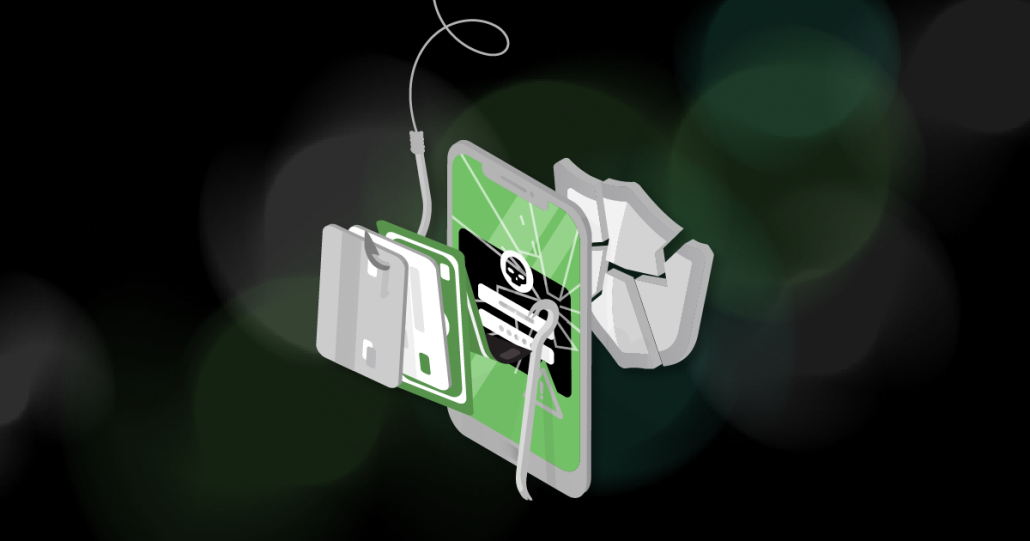
How Smishing Attacks Work
Smishing attacks employ various tactics to deceive their targets. Here are some common scenarios you should be aware of:
Pretending to be a Financial Institution
- Recognize: These messages claim issues with your account or suspicious transactions, urging you to click on a link to resolve the matter. However, the link leads to a fake website designed to steal your credentials, financial information, or money.
- Combat: Legitimate financial institutions will never ask for sensitive information via text or prompt you to click on links. Always contact your bank directly through verified channels to address any real concerns. Enable multi-factor authentication, keep software updated, and be wary of unsolicited requests.
Impersonating Government Agencies
- Recognize: Messages claim you owe unpaid fines, taxes, or are eligible for benefits/refunds – tactics to trick you into providing personal data or making unauthorized payments.
- Combat: Government agencies have established communication channels; be skeptical of unsolicited texts claiming authority. Independently verify any claims by contacting the agency through trusted means before engaging or sharing information.

Disguising as Customer Support
- Recognize: Messages claim account issues or pending rewards, aiming to lure you into clicking malicious links that can compromise your device/data.
- Combat: Reputable companies won’t initiate unsolicited communications requesting credentials or payments. Update software, enable multi-factor authentication, and contact companies through verified channels for legitimate concerns.
Exploiting Shipping Notifications
- Recognize: Spoofed messages from shipping companies claim delivery issues and prompt you to pay fees or update account information.
- Combat: Verify the sender’s authenticity before acting on any claims. Use official tracking for legitimate delivery updates instead of responding to unsolicited texts.
Preying on Workplace Relationships
- Recognize: Smishers pose as colleagues/managers/partners, creating a sense of urgency to coerce funds transfers or data sharing.
- Combat: Implement security protocols to authenticate requests through verified channels before acting. Cultivate a security-conscious culture to thwart urgency-based tactics.
Building Trust Through Wrong Number Scams
- Recognize: Scammers initiate “wrong number” texts to build rapport over time before soliciting financial assistance or bogus investments.
- Combat: Be wary of unsolicited overtures, secure communications through official channels, and promote a cyber-vigilant workplace to mitigate trust-building ploys.
Protecting Yourself from Smishing Attacks
While smishing attacks can be sophisticated, there are several steps you can take to safeguard yourself and your information:

- Be skeptical of unsolicited messages: Approach any unexpected text message, especially those requesting personal information or containing suspicious links, with extreme caution.
- Verify the source: If you receive a message claiming to be from a legitimate organization, verify the authenticity through official channels before taking any action.
- Never click on links or attachments: Avoid clicking on links or opening attachments from unknown or suspicious sources, as they may lead to malware or phishing sites.
- Keep your software updated: Ensure your mobile device’s operating system and applications are up-to-date with the latest security patches to minimize vulnerabilities.
- Use two-factor authentication: Enable two-factor authentication (2FA) or multi-factor authentication (MFA) whenever possible, as it adds an extra layer of security to your accounts.
- Be cautious with personal information: Never share sensitive personal or financial information via text message, even if the request appears legitimate.
- Report suspicious messages: If you encounter a potential smishing attempt, report it to the relevant authorities, such as your mobile carrier, financial institution, or law enforcement agencies.
- Educate yourself and others: Stay informed about the latest smishing tactics and share your knowledge with family, friends, and colleagues to raise awareness and promote a more secure digital environment.
By remaining vigilant, questioning unsolicited requests, and implementing proper security measures, you can significantly reduce the risk of falling victim to smishing attacks and safeguard your personal and financial information.
Conclusion
As technology continues to evolve, so do the methods employed by cybercriminals. Smishing represents a growing threat that exploits our reliance on mobile devices and the convenience of text messaging. However, by staying informed, exercising caution, and adopting best practices, you can protect yourself from these malicious attacks. Remember, a little vigilance can go a long way in ensuring your digital safety and peace of mind.
Sources:
- IBM: What is Smishing (SMS Phishing)?
- CISA: Avoiding Social Engineering and Phishing Attacks
- KnowBe4: 2024 Phishing by Industry Benchmarking Report
Enhance your cyber defense toolset with our insightful, user-friendly Phishing Tip Sheet, navigating your voyage towards digital safety.